
Views: 0 Author: Site Editor Publish Time: 2026-02-02 Origin: Site
You see more companies choosing eco-friendly custom prefabricated molds today because the market wants sustainable solutions. ShuangLi Technology leads with advanced Preform Mold options that help you meet new standards for environmental responsibility. Manufacturers now use better materials and smarter designs to create lighter, recyclable products. This shift means you can find molds that support both your business goals and the planet.
Eco-friendly preform molds reduce waste and energy use, supporting both business goals and environmental responsibility.
Using sustainable materials like natural rubber and recycled plastics lowers your environmental footprint and helps keep waste out of landfills.
Adopting green manufacturing processes, such as 3D printing, can significantly cut emissions and energy costs, making production more efficient.
Choosing eco-friendly molds enhances your brand image, aligning with consumer preferences for sustainable products and practices.
Implementing small changes, like using energy-efficient machines, can lead to significant long-term cost savings and improved resource management.
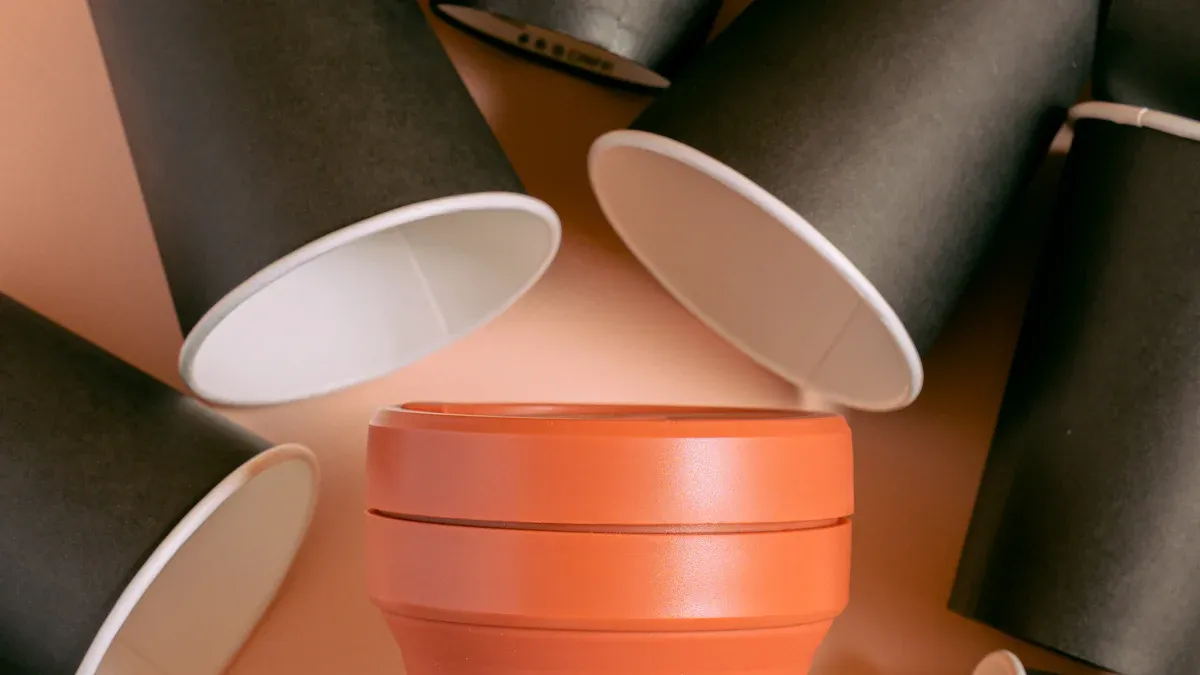
Eco-friendly preform molds are tools you use to shape materials into specific forms while reducing harm to the environment. These molds help you create products with less waste and lower energy use. You can find them in many industries, including packaging, automotive, and construction. Companies like ShuangLi Technology design Preform Mold solutions that focus on both quality and sustainability. When you choose an eco-friendly mold, you support cleaner production and help protect natural resources.
You can make preform molds from many types of sustainable materials. These materials help you lower your environmental footprint. The table below shows how some common materials contribute to eco-friendliness:
Material | Contribution to Eco-Friendliness |
|---|---|
Natural Rubber | A renewable resource that degrades naturally, reducing environmental impact. |
Recycled Rubber | Helps reduce waste by utilizing materials that would otherwise be discarded. |
Biodegradable Synthetics | Innovations allow for easier breakdown without harming the environment. |
Many companies now use natural rubber, biodegradable silicone, and recycled plastics in their mold designs. These materials break down more easily or come from resources that you can renew. When you select these options, you help keep waste out of landfills and reduce pollution.
Green manufacturing processes let you make preform molds with less waste and fewer emissions. You can use advanced methods like 3D printing and optimized injection molding. The table below explains how these processes work and their impact on the environment:
Manufacturing Process | Description | Environmental Impact |
|---|---|---|
3D Printing | Uses machines to create products from computer models, allowing for complex designs and reduced waste. | Produces less waste and emissions, can reuse materials. |
Injection Molding | Involves injecting molten thermoplastic into a mold, known for efficiency and quality. | High energy use and potential waste, but can be optimized for efficiency. |
You should know that most plastic waste does not get recycled. This leads to landfill problems and harms wildlife. Also, almost all single-use plastic products come from fossil fuels, which increases carbon emissions. By choosing green manufacturing, you help reduce these problems. ShuangLi Technology uses advanced production methods for their Preform Mold-PIM, making sure you get high-quality molds with less environmental impact.
Tip: When you pick eco-friendly preform molds, you support a cleaner planet and set your business apart as a leader in sustainability.
Eco-friendly molds help you reduce waste and save resources. When you use recycled plastics in your manufacturing, you lower greenhouse gas emissions. You also cut down on the amount of new materials you need to buy. Many companies report a 75% decrease in resin waste after switching to sustainable mold solutions. This change means less trash goes to landfills and fewer raw materials get used.
Here are some measurable reductions you can expect:
Facilities using recycled plastics significantly lower greenhouse gas emissions.
Using PolyCycle PCR resin leads to a 70% reduction in emissions.
You can see the impact in the table below:
Reduction Type | Percentage Reduction |
|---|---|
Energy Use | Up to 30% |
Greenhouse Gas Emissions | Up to 70% |
Resin Waste | About 75% |
Eco-friendly molds let you save energy and cut emissions. You can choose energy-efficient manufacturing methods that save up to 30% on energy costs. Natural rubber molds and eco-friendly silicone alternatives can make mold making up to 80% greener. These materials also help you lower your environmental impact by up to 50%.
Evidence Type | Details |
|---|---|
Energy Savings | Energy-efficient manufacturing can save companies up to 30% on energy costs. |
Greenhouse Gas Emissions Reduction | Eco-friendly silicone alternatives can make mold making up to 80% greener. |
Environmental Impact Reduction | Natural rubber molds and eco-friendly silicone alternatives can cut environmental impact by up to 50%. |
Choosing eco-friendly molds boosts your brand value and helps you stand out in the market. Consumers now prefer products made with sustainable materials and practices. Companies that use eco-friendly solutions align with consumer values and improve their brand image. The market for Preform Mold solutions grows because people want premium packaging and less waste.
Consumer preferences are shifting towards sustainable materials and practices.
Companies are adopting eco-friendly solutions to align with consumer values, enhancing brand image.
The demand for eco-friendly custom prefabricated molds is driven by the need for reduced pollution and waste.
The USDA Certified Biobased Product label helps you identify environmentally friendly products, encouraging the selection of safer alternatives that are better for health and the environment.
Eco-friendly molds also support regulatory compliance and help you meet new standards for sustainability. You can show your commitment to the environment and attract more customers who care about green practices.
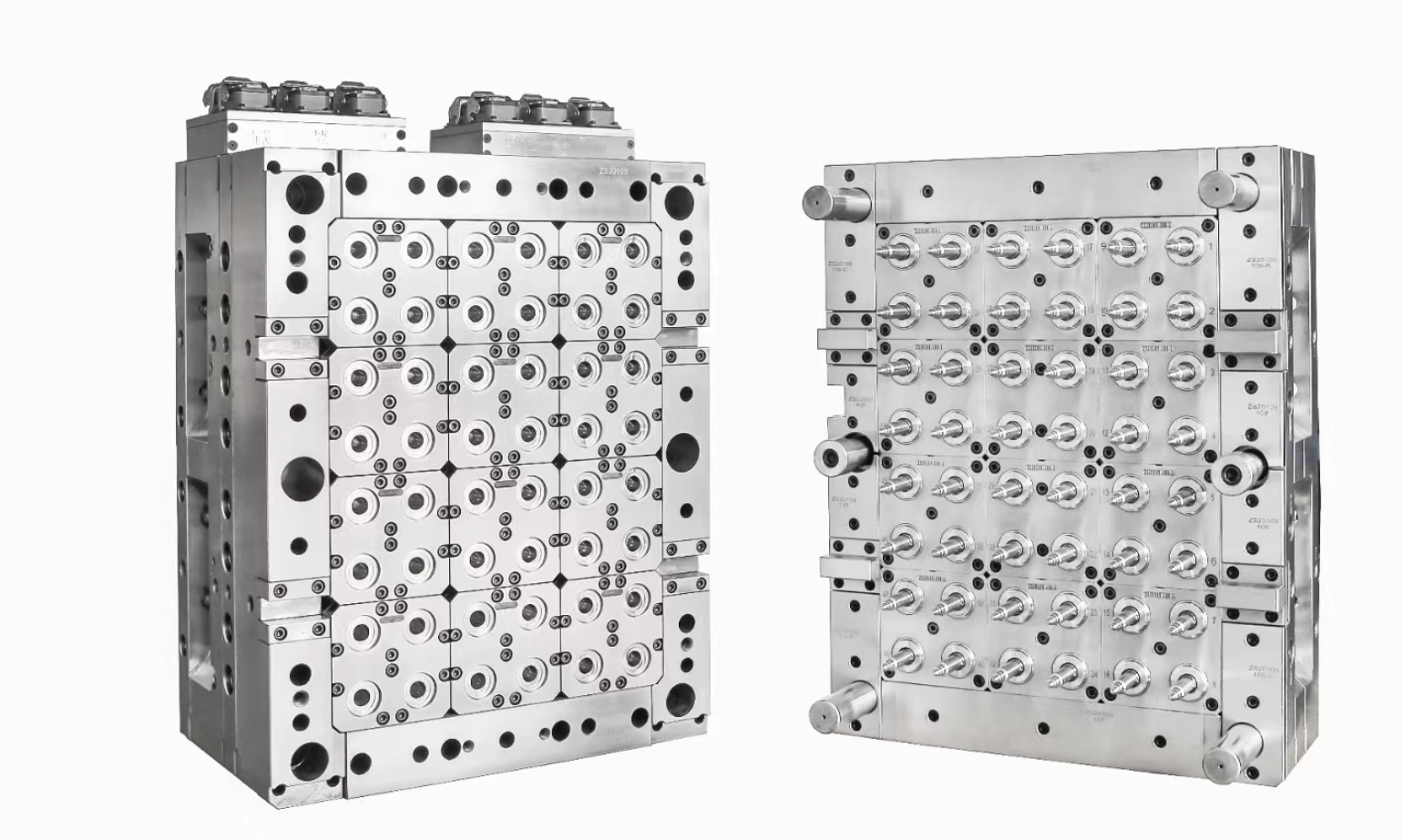
You can improve sustainability by considering the lifecycle of your molds. Lifecycle assessment helps you compare conventional and optimized mold designs. The table below shows how these designs perform over time:
Aspect | Conventional Injection Molding (CIM) | Topological Optimized Injection Molding (TOIM) |
|---|---|---|
Initial Environmental Impact | Lower | Higher |
Overall Performance | Less favorable over lifecycle | More favorable over lifecycle |
Sustainable Break-even Point | N/A | 68.50% of mold's lifespan |
Energy Recovery Importance | N/A | Significant in use phase |
You can use background data from lifecycle databases and foreground data from experiments and manufacturer collaboration. Circular economy principles encourage you to use sustainable materials, modular construction, and recycling scrap materials. These practices help you reduce waste and promote resource efficiency.
Many companies have adopted sustainable mold design. ShuangLi Technology offers custom Preform Mold solutions that use recyclable materials and advanced manufacturing. Other industry leaders have achieved success in different fields. The table below highlights some examples:
Industry | Challenge | Solution | Results |
|---|---|---|---|
Medical | Need for molds that meet FDA regulations and ensure safety. | Rapid Prototyping and Quality Assurance Protocols. | Successful launch of surgical instruments with high precision and reduced defects. |
Consumer Goods | Requirement for customizable molds that allow quick design changes. | Modular Mold Design and Advanced Injection Molding Techniques. | 30% increase in sales due to successful customizable product line. |
Electronics | Need for high-precision molds for compact devices. | 3D Printing for Prototyping and Advanced Cooling Systems. | Launch of compact devices with reduced production cycle times by 25%. |
Aerospace | Requirement for lightweight components that meet safety standards. | Finite Element Analysis and advanced material selection. | 15% reduction in fuel consumption with successful integration of components into aircraft designs. |
Reusable and customizable mold options help you create lighter, durable products. You can use recyclable and biodegradable materials to achieve a smaller ecological footprint.
You can follow these steps to implement sustainable practices in mold design:
Choose eco-friendly and non-toxic source materials.
Use energy- and water-efficient equipment.
Identify and improve efficiency losses.
Prioritize renewable energy sources.
Upgrade facilities for energy efficiency.
Implement preventive maintenance protocols.
Leverage automation and AI to reduce waste.
Reuse scrap plastic generated in processes.
Minimize water discharges and invest in closed-loop cooling systems.
Use non-toxic alternatives for release agents.
Ensure proper recycling of solvents and chemicals.
Develop protocols for handling non-recyclable waste responsibly.
Tip: Reusable silicone membranes can replace up to 1,000 single-use plastics, helping you reduce waste and improve efficiency.
You can conserve resources and minimize plastic waste by using renewable and recycled plastics. Efficient designs and optimized mold layouts lead to lower environmental impact.
You may face several barriers when you try to adopt eco-friendly custom prefabricated molds. High material costs and technical limitations often slow down the transition. Some manufacturers worry about the complexity of new processes or the need for special maintenance. The table below shows common challenges and practical solutions:
Challenge | Solution |
|---|---|
High material costs | Optimize mold design to reduce waste |
Complexity in manufacturing | Use additive manufacturing for cost efficiency |
Maintenance costs | Regular maintenance to extend mold life |
Natural rubber molds and eco-friendly silicone alternatives can help you lower your environmental impact. These materials offer sustainable options with fewer emissions. Many people believe modular or prefabricated products are less sustainable, but these solutions often use fewer resources and create less waste than traditional methods.
You can find many new ways to overcome these barriers. Manufacturers now use advanced alloys, composite materials, and special coatings to improve mold performance and meet eco-friendly standards. The restoration industry uses biodegradable and non-toxic cleaning agents to protect both the environment and people. Many companies invest in training and build partnerships with suppliers to use sustainable products more effectively.
Tip: Exploring new materials and methods can help you stay ahead in the market and meet stricter environmental rules.
You can take clear steps to move toward eco-friendly mold adoption:
Use recycled and bio-based polymers to cut material waste.
Choose energy-efficient machines to lower power use.
Adopt modular mold designs for easy repair and upgrades.
Set up closed-loop systems to recycle excess materials.
Government policies and incentives also support your efforts. Stricter environmental regulations and funding for research encourage you to use sustainable materials and processes. These steps help you save money, reduce emissions, and build a stronger, greener brand.
You see new materials and technologies changing the way you make eco-friendly molds. Manufacturers now use resources that break down naturally and cause less harm to the environment. You can expect these materials to shape the future of mold manufacturing:
Biodegradable alginate comes from seaweed and breaks down quickly.
Natural rubber offers flexibility and comes from renewable sources.
Mycelium-based composites use fungi to create strong, lightweight molds.
Biodegradable resins help reduce plastic waste.
Water-based composites use less harmful chemicals.
Biodegradable silicone substitutes provide safer options for mold making.
Technology also plays a big role in making molds more sustainable. You can use SLA mold technology to build products layer by layer. This process minimizes waste and places material only where needed. You get stronger molds with less material. SLA technology supports eco-friendly materials like bio-based resins and recycled plastics. Energy-efficient production lowers your carbon footprint. Localized manufacturing reduces transportation emissions. Durable molds last longer, so you replace them less often.
Tip: Choosing new materials and advanced technology helps you create molds that protect the planet and improve product quality.
You can follow practical steps to adopt eco-friendly mold solutions. Industry leaders suggest you start by understanding the benefits of sustainable practices. This knowledge encourages you to make changes. You may face resistance when you introduce new solutions. Persistence and clear evidence of benefits help you overcome challenges.
Education helps your team learn about sustainable options.
Collaboration with suppliers and partners makes the transition easier.
Patience is important as you shift to new practices.
You build a stronger brand when you show your commitment to sustainability. Customers trust companies that care about the environment. You can lead the way by adopting eco-friendly molds and sharing your success.
Note: Small steps, like using recycled materials or energy-efficient machines, make a big difference over time.
You can see that adopting eco-friendly custom prefabricated molds, such as Preform Mold solutions, is both practical and valuable. Experts highlight benefits like efficient resource management, cost savings, and improved brand image. The table below shows what you gain:
Benefit | Description |
|---|---|
Resource Management | Efficient use of water and chemicals |
Long-term Cost Savings | Lower energy and material waste |
Brand Image | Positive reputation and increased sales |
Regulatory Compliance | Alignment with environmental standards |
You can use resources like CoPilot® Process Control System and DECOUPLED MOLDING® techniques to support your transition. If you want to learn more, explore cavity pressure sensing and iMFLUX® processing for better sustainability.
Tip: Start with small changes and build your sustainable practices over time.
You find eco-friendly preform molds use sustainable materials and green manufacturing. These molds help you reduce waste and energy use. Companies like ShuangLi Technology design molds that support cleaner production and resource conservation.
You can use natural rubber, recycled plastics, biodegradable silicone, and bio-based resins.
These materials break down easily or come from renewable sources, making your molds safer for the environment.
Eco-friendly molds help you save resources, lower costs, and improve your brand image.
You attract eco-conscious customers
You meet new regulations
You reduce waste and emissions


