
Views: 0 Author: Site Editor Publish Time: 2026-02-05 Origin: Site
You use a Medical Preform Mold to shape plastic parts that go into medical devices. This tool helps you create safe and precise components that meet strict industry standards. In cleanroom environments, you keep dust and germs away from the process. The table below shows how these molds support safety and accuracy in medical device manufacturing:
Aspect | Description |
|---|---|
Cleanroom Manufacturing | Molds are produced in controlled environments to prevent contamination. |
Material Testing | Materials are rigorously tested for safety and biocompatibility to meet ISO 10993 standards. |
Precision Engineering | Advanced techniques like CAD and CAM ensure components are made to exact specifications. |
Quality Assurance | Regular inspections and advanced testing methods maintain the integrity of mold components. |
Medical Preform Molds shape plastic parts for medical devices, ensuring safety and precision.
Cleanroom environments prevent contamination, which is crucial for producing safe medical components.
Using medical-grade plastics like PEEK and polycarbonate meets strict health standards and ensures biocompatibility.
Regular inspections and testing maintain the quality and integrity of molds, protecting patient safety.
Advanced molding techniques allow for the production of tiny, complex parts needed in modern medical devices.
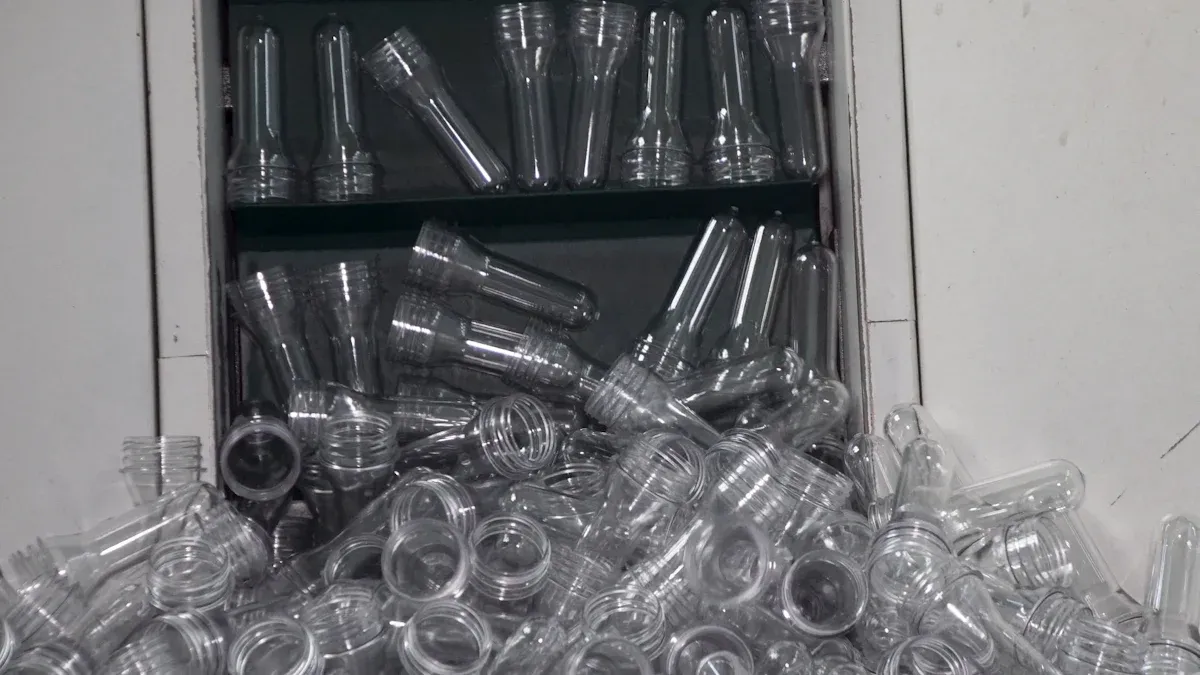
You use a Medical Preform Mold to shape plastic parts that go into medical devices. This tool helps you create components with high accuracy and repeatability. You need this level of precision because medical devices must work safely inside or near the human body. When you use a Medical Preform Mold, you can make parts that fit together perfectly and perform as expected every time.
You often see these molds in action when making syringes, IV connectors, or small parts for surgical tools. The molds allow you to produce large numbers of identical pieces, which is important for hospitals and clinics that need reliable supplies. You also rely on these molds to meet strict rules set by organizations like the FDA and ISO. These rules help protect patients and ensure that every device meets high standards.
Note: International standards such as ISO 13485 require you to use safe materials and keep detailed records. This helps you trace every part back to its source if a problem occurs.
You might wonder how a Medical Preform Mold stands apart from molds used for everyday items. The table below shows the main differences:
Aspect | Medical Preform Molds | General Preform Molds |
|---|---|---|
Design Purpose | For medical components needing high precision | For everyday consumer goods |
Regulatory Standards | Must follow FDA and ISO rules | Fewer regulations |
Material Requirements | Uses biocompatible plastics | Uses standard plastics like PET and PP |
Production Environment | Made in cleanrooms | Made in regular factories |
Sterilization Resistance | Can handle strong sterilization | Not made for harsh cleaning |
Precision Requirements | Needs very tight tolerances | Tolerances are less strict |
You face unique challenges when you design and use a Medical Preform Mold. You must keep tight tolerances, control temperature, and prevent contamination. You also need to check every step for quality and traceability. These steps are not as strict for general molds.
You must maintain a dust-free environment to avoid contamination.
You need to use special plastics that are safe for the human body.
You must test and validate every process to meet health and safety rules.
Recent trends show that you need even more precision as medical devices get smaller. Micromolding lets you make tiny parts for wearables and implants. You can quickly test and improve designs before making them in large numbers. Advanced mold technology also helps you create new shapes and features, like drug-eluting surfaces or antimicrobial coatings.
Tip: Automated systems and real-time monitoring help you keep quality high and reduce waste. This makes your production faster and more reliable.
You may notice that using a Medical Preform Mold costs more than using a general mold. You pay extra for cleanroom equipment, special training, and regular checks. These costs help you avoid contamination and keep patients safe.
By understanding these differences, you can see why Medical Preform Mold technology is so important in healthcare. You help ensure that every device meets strict standards and works as intended.
You need to know what makes a Medical Preform Mold special. These molds have features that help you create safe and reliable medical parts. The table below shows the main characteristics:
Characteristic | Description |
|---|---|
Design Features | Includes venting, ejection systems, and balanced flow to prevent defects in molded parts. |
Operational Features | Multi-cavity molds boost efficiency for high-volume production. Single-cavity molds give you extra precision. |
Material Selection | Uses materials that meet strict safety and quality standards. |
Compliance Standards | Follows rules to keep medical devices safe and effective. |
You rely on these features to make sure every part works as it should. Precision matters a lot. Even a small mistake can cause a device to fail or harm a patient. Durability is also important. Some molds use materials like liquid silicone rubber, which can handle tough conditions and last a long time. You must also keep everything clean. Cleanroom environments help you avoid contamination, which keeps patients safe.
Precision helps you avoid errors in medical devices.
Durability means your molds last longer and perform well.
Contamination resistance protects patients from germs.
Tip: Always check your molds for wear and keep your workspace clean to maintain high quality.
You can choose from different types of Medical Preform Mold, depending on what you need to make. Each type fits a special job in medical device manufacturing. Here are some common types and their uses:
Material Type | Application Description |
|---|---|
Polyetheretherketone (PEEK) | Great for strong medical parts, implants, and surgical tools. Handles heat and is safe for the body. |
Acrylonitrile Butadiene Styrene (ABS) | Good for handheld tools and device covers. Resists impact and keeps its shape. |
Liquid Silicone Rubber (LSR) | Best for soft, flexible parts like gaskets and seals that touch the skin. |
Medical-grade resins | Used for many parts. Tested to meet medical safety rules. |
You can use these molds to make precise shapes with tight tolerances. This reduces the risk of failure. You also get consistent quality, even when you make thousands of parts. After you create the first mold, you can save money by making many parts quickly. These molds let you use many types of medical-grade materials. You can also make complex parts with fine details.
Here are some common molding methods you might use:
Insert Molding – Combines metal and plastic for strong medical tools.
Overmolding – Adds a soft layer for better grip on instruments.
Micro Injection Molding – Makes tiny, detailed parts for devices like hearing aids.
Thin-wall Molding – Creates light, comfortable items for patients.
Note: Fast production times help you respond quickly when hospitals need supplies.
You can see that Medical Preform Mold technology gives you many options for making safe and effective medical devices.
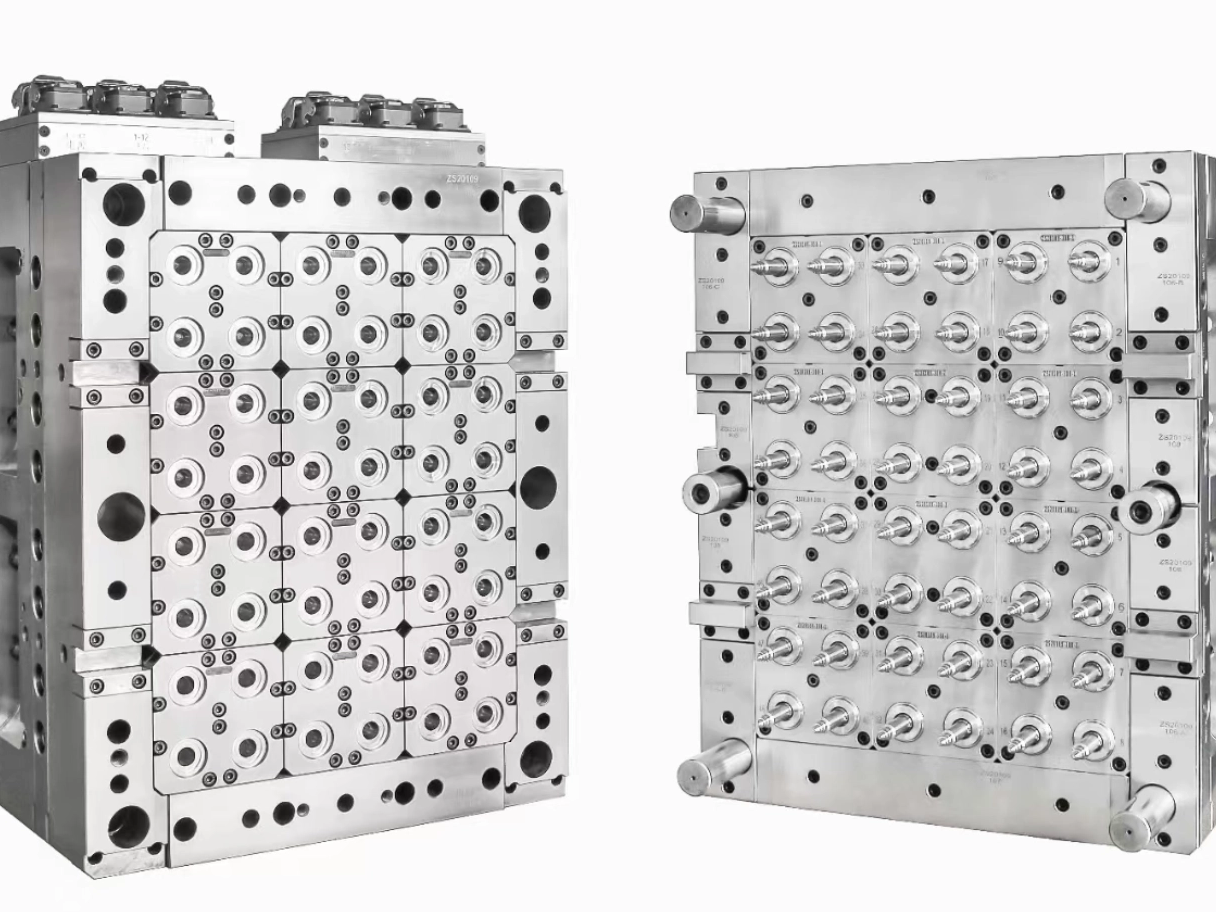
You need to choose the right plastic when you make medical device parts. Medical-grade plastics keep patients safe and help you meet strict rules. These plastics must be strong, clean, and safe for the human body. You often see them in syringes, implants, and surgical tools.
Here is a table showing common plastics and why you use them:
Plastic Type | Key Properties | Applications in Medical Field |
|---|---|---|
Polyethylene (PE) | Excellent chemical resistance, durability, biocompatibility | Packaging, medical tubing, disposable devices |
Polypropylene (PP) | High resistance to heat, chemicals, moisture, biocompatible | Syringes, containers, surgical instruments |
Polycarbonate (PC) | Strong, impact-resistant, optical clarity, biocompatible | Medical devices, protective eyewear, surgical equipment |
Polyetheretherketone (PEEK) | Exceptional strength, thermal stability, chemical resistance, biocompatible | Implants, surgical instruments, dental applications |
You must follow important standards when you pick these plastics:
ISO 13485 makes sure you use a quality system for medical devices.
The plastics must be biocompatible and safe for people, meeting rules like USP Class VI or ISO 10993.
You often use polycarbonate, polyethylene, and PEEK because they last long and resist chemicals.
Tip: Always check if your plastic meets these standards before you start making parts.
You use a Medical Preform Mold to shape plastic into exact forms. The injection molding process has four main steps:
Clamping: The mold closes tightly so plastic cannot leak out.
Injection: You push hot, melted plastic into the mold at the right speed and pressure.
Cooling: The plastic cools and hardens inside the mold. Cooling channels help remove heat and keep the part strong.
Ejection: The mold opens and special pins push the finished part out.
You must work in a cleanroom to keep germs and dust away from your parts. Cleanrooms follow ISO 14644 rules for air quality. You and your team wear special clothes and follow strict hygiene steps. You clean and check the room often to stop contamination. This careful process helps you make safe, high-quality medical device parts every time.
You see Medical Preform Mold technology in many important medical devices. These molds help you create parts that doctors and nurses use every day. Here are some common products you can make:
Syringes for giving medicine or drawing blood
Catheters for moving fluids in and out of the body
Surgical instrument handles and tips
IV connectors and ports
Protective covers for needles
You choose special materials for each product to make sure they work well and stay safe. The table below shows some materials and why you use them:
Material | Benefits for Medical Applications |
|---|---|
Polycarbonate (PC) | High impact resistance |
PEEK | Excellent chemical resistance |
Liquid Silicone Rubber (LSR) | Flexibility and biocompatibility |
Thermoplastic Elastomers (TPE) | Soft touch and durability |
When you use a Medical Preform Mold, you can make complex shapes. This helps you create products that fit the body better and work more smoothly. You also keep your products clean and safe by following strict rules. These steps help protect patients from infection and make sure every device works as it should.
Tip: Always check that your materials and molds meet FDA and ISO standards before starting production.
You must keep your work area very clean when making medical device parts. Cleanrooms help you control dust, germs, and other particles. This keeps your products safe for patients. Here are some ways you use cleanrooms in manufacturing:
You set up injection molding machines inside cleanrooms to meet medical standards.
You use HEPA filters and air ionization systems to keep the air clean.
You clean machines and conveyor belts every day with alcohol-based disinfectants.
You train your team to follow cleanroom rules and wear special clothing.
You use robots with their own HEPA filters to move parts without touching them.
The table below shows different cleanroom classes and how you use them:
Cleanroom Class | Description | Application in Medical Devices |
|---|---|---|
ISO 1 | The cleanest, almost no particles allowed | Used for very sensitive devices needing strict contamination control |
ISO 7 | Allows some particles, common for medical manufacturing | Good for devices that will be sterilized later |
ISO 9 | Least clean, more particles allowed | Used for less sensitive processes |
You must use cleanroom-grade equipment and materials to keep your products pure. This reduces the risk of germs or dust getting into your medical devices. When you follow these steps, you help keep patients safe and your products high quality.
You use a Medical Preform Mold to make safe and precise parts for medical devices. This tool helps you follow strict rules for biocompatibility and sterility. You rely on careful testing and strong data to choose the right materials and fix problems. When you understand how these molds work, you help protect patients and improve medical technology.
You get precise, safe parts for medical devices. These molds help you meet strict health standards. You can make many identical pieces quickly. This keeps patients safe and helps hospitals get reliable supplies.
You work in a cleanroom. You wear special clothing and follow hygiene rules. Machines and tools get cleaned often. Air filters remove dust and germs. This process keeps your parts free from contamination.
You use medical-grade plastics like polycarbonate, PEEK, and polyethylene. These materials are strong, clean, and safe for the human body. You must check that each plastic meets FDA and ISO standards before use.
Yes, you can reuse them many times. You must inspect and clean them after each use. Regular checks help you find wear or damage. This keeps your parts accurate and safe for patients.


