
Views: 0 Author: Site Editor Publish Time: 2026-01-26 Origin: Site
When manufacturing medical components, the choice of material for the molds plays a critical role in ensuring both product quality and compliance with regulatory standards. Medical Preform Molds are crucial for the production of components such as medical vials, bottles, and other critical items used in the healthcare industry. These molds need to meet strict quality, safety, and durability standards to ensure that the final products are safe for medical use.
At ShuangLi Technology, we specialize in manufacturing Medical Preform Molds that meet the highest standards in the healthcare industry. Our molds are designed for precision, durability, and reliability, using advanced technologies and high-quality materials. Understanding the properties of different materials is key to selecting the best material for medical molding processes. This article explores the materials commonly used in Medical Preform Molds, including thermoplastics, elastomers, and silicones, and discusses their ideal applications in medical manufacturing.
Biocompatibility is one of the most important considerations when selecting materials for Medical Preform Molds. Biocompatibility ensures that the materials used in the mold will not cause any adverse biological reactions when in contact with human tissue or bodily fluids. This is critical for ensuring the safety of medical products, as any harmful reaction could lead to severe health risks.
Additionally, Medical Preform Molds need to meet regulatory standards set by organizations like the FDA (Food and Drug Administration) and ISO (International Organization for Standardization). These regulatory frameworks are designed to ensure that medical products are manufactured safely and consistently. For instance, FDA compliance requires that manufacturers adhere to specific quality systems and ensure that their products are safe for use in healthcare settings. Materials used in Medical Preform Molds must meet these strict standards to ensure that the final medical products are safe, effective, and compliant with legal requirements.
Sterilization is an essential process in the medical industry to ensure that products such as medical vials, syringes, and surgical instruments are free from pathogens and safe for use. The materials used in Medical Preform Molds must be able to withstand various sterilization techniques, including autoclaving, gamma radiation, and ethylene oxide (ETO) sterilization.
Autoclaving, for example, subjects materials to high heat and pressure, which can cause certain materials to degrade or lose their structural integrity. Therefore, choosing materials that are resistant to these sterilization processes is essential. Materials like PEEK (Polyether Ether Ketone) and LSR (Liquid Silicone Rubber) offer excellent resistance to sterilization, ensuring that the molded components can maintain their performance and safety even after repeated sterilization cycles.
Polycarbonate (PC) is one of the most commonly used materials in Medical Preform Molds due to its excellent combination of strength, clarity, and biocompatibility. PC is a durable thermoplastic that is highly resistant to impact, making it an ideal choice for producing components that need to withstand rough handling during transportation and use.
PC is also highly transparent, which is particularly important for medical packaging and diagnostic components where visibility is essential. For example, medical vials and bottles made from PC provide clear visibility of the contents, which is crucial for inspecting the products before use.
Additionally, Medical Preform Molds made from PC are known for their heat resistance, which allows them to withstand sterilization processes like autoclaving. This makes polycarbonate an excellent choice for medical packaging applications where both durability and clarity are essential.
PEEK (Polyether Ether Ketone) is another high-performance material used in Medical Preform Molds. Known for its exceptional mechanical properties and high resistance to heat and chemicals, PEEK is ideal for use in applications that require advanced performance under extreme conditions.
One of the standout features of PEEK is its ability to withstand autoclaving, which is a critical requirement for medical components that need to undergo repeated sterilization. PEEK maintains its strength and integrity even when exposed to high temperatures and harsh sterilization methods, making it a popular choice for high-end medical devices such as surgical instruments, implantable devices, and high-performance medical packaging.
PEEK is also biocompatible, which is a crucial factor when selecting materials for medical devices. Its high resistance to fatigue, wear, and chemicals ensures that medical components made from PEEK will maintain their functionality over extended periods of use.
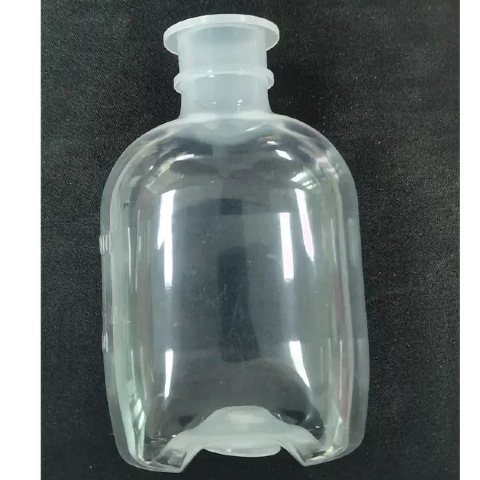
Liquid Silicone Rubber (LSR) is widely used in Medical Preform Molds for applications that require flexibility and durability. LSR is a biocompatible material, making it safe for use in medical devices that come into contact with the human body. It offers excellent flexibility and elasticity, which is ideal for parts that need to bend or stretch without breaking, such as seals, gaskets, and flexible tubing.
One of the key benefits of LSR is its ability to withstand high temperatures and repeated sterilization processes, making it a suitable material for medical applications where sterilization is necessary. LSR’s ability to maintain its properties even after repeated sterilization makes it an excellent choice for producing soft and flexible medical components that need to retain their integrity and performance over time.
LSR is also highly resistant to environmental factors such as UV radiation, moisture, and temperature fluctuations, making it ideal for medical applications exposed to various environmental conditions.
Thermoplastic elastomers (TPEs) are another excellent material option for Medical Preform Molds. TPEs are a blend of plastic and rubber, offering the flexibility of rubber with the ease of processing associated with plastics. TPEs are commonly used for producing seals, gaskets, and soft features in medical devices.
The benefits of TPEs include their flexibility, durability, and ease of processing. TPEs also offer good resistance to environmental factors, such as moisture, UV radiation, and temperature extremes, making them suitable for a wide range of medical applications. In addition, TPEs are biocompatible, ensuring that they can be safely used in contact with the human body.
TPEs also provide the ability to design complex shapes, which is crucial for producing components with intricate designs. This makes them a versatile choice for medical devices that require precision and flexibility.
For Medical Preform Molds, heat resistance and chemical stability are essential qualities to look for in materials. Medical components are often exposed to high temperatures during sterilization, and the materials must retain their structural integrity under these conditions.
PEEK and PC, for example, offer excellent heat resistance, ensuring that the Medical Preform Molds made from these materials can withstand autoclaving and other sterilization processes without degrading. Chemical stability is equally important, as medical components may be exposed to harsh chemicals during their use or sterilization. Materials like PEEK provide excellent resistance to chemical degradation, ensuring that the molded components maintain their performance over time.
Medical devices and components are often subject to mechanical stresses, either from handling, use in medical procedures, or packaging and transportation. Therefore, materials used for Medical Preform Molds must exhibit high mechanical strength and wear resistance.
PEEK, PC, and LSR all offer excellent mechanical properties that ensure the molded components can withstand mechanical stresses without breaking or deforming. For example, PEEK is known for its ability to resist wear and fatigue, making it ideal for high-performance applications such as surgical instruments and medical implants.
Material | Biocompatibility | Sterilization | Best Use Cases |
PC | High | Autoclave | Transparent components, vials, medical bottles |
LSR | Very High | Gamma/Eto | Soft seals, gaskets, tubing |
PEEK | Very High | Autoclave | High-performance components, surgical instruments |
TPE | High | Gamma/Eto | Seals, flexible components, gaskets |
Choosing the right material for Medical Preform Molds is a critical factor in ensuring the functionality, safety, and durability of medical components. Whether it's polycarbonate for transparency, PEEK for high-performance, or LSR and TPE for flexibility, selecting the right material ensures that Medical Preform Molds meet the highest standards in the medical industry.
At ShuangLi Technology, we provide high-quality Medical Preform Molds made from the highest quality materials that are tailored to meet the specific needs of our customers. Our molds are designed to offer exceptional performance in medical applications, from packaging to critical medical devices. For more information about our Medical Preform Molds and how they can meet your specific requirements, please contact us today.
What materials are commonly used in Medical Preform Molds?
Common materials include Polycarbonate (PC), PEEK, Liquid Silicone Rubber (LSR), and Thermoplastic Elastomers (TPE), each offering unique benefits for different medical applications.
Why is biocompatibility important for Medical Preform Molds?
Biocompatibility ensures that the materials used in molds do not cause harmful reactions when in contact with human tissues, making them safe for medical use.
What are the advantages of PEEK in Medical Preform Molds?
PEEK offers exceptional strength, resistance to high temperatures, and durability, making it ideal for high-performance medical components that undergo sterilization.
How does sterilization compatibility affect material selection for Medical Preform Molds?
Materials used in Medical Preform Molds must be able to withstand sterilization methods such as autoclaving or gamma radiation without degrading, ensuring that the final product remains safe and effective.


