
Views: 0 Author: Site Editor Publish Time: 2025-09-11 Origin: Site
Cosmetic packaging is much more than a protective covering for the product inside. It serves as a representation of a brand’s identity, and its design plays a critical role in shaping customer perceptions. When creating cosmetic packaging, there is a delicate balance between aesthetics and manufacturability. The right mold for preform is key to achieving both goals. This article delves into the key considerations and strategies that ensure cosmetic preform molds achieve the desired look while maintaining efficient production standards.
Designing cosmetic packaging requires meticulous attention to visual appeal, but it’s equally important to ensure that the design is manufacturable at scale. The beauty of the final product should not come at the cost of efficiency or increased costs. Below are some common conflicts that arise during the design of cosmetic preform molds and how to overcome them.
One of the most distinguishing features of cosmetic packaging is the surface finish, including embossed patterns and matte textures. These features often serve as a brand signature, but they pose challenges during the molding process. Embossing, in particular, requires precise mold design and advanced tooling to maintain sharp details without causing defects.
Matte finishes, while elegant, can also be tricky. Achieving a uniform matte look requires an even application of the finish across the entire preform mold. Any variation in temperature or mold pressure can result in imperfections that affect both aesthetics and production quality. By choosing the right mold for preform and ensuring precision in the tooling, it is possible to achieve a flawless matte finish without compromising the manufacturability of the mold.
Another challenge comes with the choice of PET material. Transparent PET is often preferred for high-end cosmetic packaging, as it showcases the product inside. However, achieving transparency without defects can be difficult, especially when working with large batches. On the other hand, colored PET offers a distinct look but limits visibility. For both transparent and colored bottles, the preform mold design must consider the material’s properties, including cooling rates and shrinkage during molding.
The choice of material can also affect the filling process, as certain colors and finishes may impact how the product is filled or sealed. The right mold for preform needs to account for these factors to ensure a seamless production line from start to finish.
The neck of a cosmetic bottle is more than just a functional feature; it’s a critical component that must match the brand’s design language and work perfectly with closures and dispensers. Preform molds must be carefully designed to accommodate specific neck finishes that are compatible with pumps, atomizers, or screw caps.
Choosing the correct neck finish early in the design process is essential to ensuring that the final product is functional and compatible with the intended closure. Molds need to be tailored to fit a range of closure designs, such as airless pumps or spray nozzles, which are common in the cosmetic industry.
Cosmetic pumps and atomizers require tight tolerances to ensure proper functionality. A slight deviation in the neck finish can result in leaks, poor sealing, or malfunctioning dispensers. The mold for preform needs to be precisely engineered to ensure that these small components fit together perfectly, avoiding any compromise in quality.
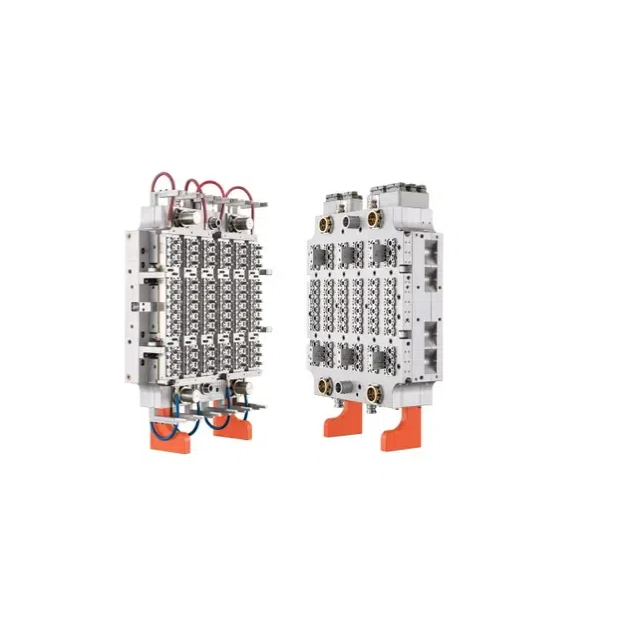
As cosmetic brands grow, the demand for consistent, high-quality packaging increases. Manufacturers need to be able to produce thousands of units without sacrificing appearance or functionality. The right mold for preform can help preserve brand integrity while meeting production quotas.
Valve-gate hot runner systems are often used in cosmetic preform molds to prevent surface blemishes, such as streaks, marks, or color inconsistencies. These systems ensure that molten plastic flows evenly into the cavities, reducing the likelihood of defects on the bottle's surface. This is especially important for high-end cosmetic packaging, where the surface finish is crucial to the product's perceived quality.
Cavitation refers to the number of cavities in the mold. The more cavities a mold has, the greater the need for precision in color and finish consistency across all units. By carefully selecting the right number of cavities and using uniform cooling and injection techniques, manufacturers can ensure that each cosmetic preform mold produces identical bottles with consistent color and finish. This consistency is essential when scaling production to meet high demand.
In the fast-paced world of cosmetic packaging, brands need to launch products quickly to stay ahead of trends. Prototyping and fast iteration are vital to ensuring that the design meets both aesthetic and functional requirements before moving to full-scale production.
Prototyping is often done using low-cavity aluminum molds or 3D printed tooling, which allows for quick turnaround times and cost-effective testing. These tools enable manufacturers to test different designs and make adjustments without the need for expensive full-scale molds. While 3D printed tooling may not be as durable as traditional molds, it is an excellent option for early-stage testing and concept validation.
Before committing to full-scale production, cosmetic packaging designs must undergo several validation steps. These may include creating small batches of samples, conducting consumer perception checks, and performing function tests to ensure the packaging performs as expected. By using rapid prototyping and collecting feedback early in the design process, manufacturers can refine their designs before investing in expensive tooling.
Sustainability has become a crucial consideration in the cosmetic industry. Consumers are increasingly seeking eco-friendly products, and brands are responding by designing packaging that reduces waste and promotes recyclability. Cosmetic preform molds play an essential role in achieving these goals.
One way to make cosmetic packaging more sustainable is by reducing its weight. Lightweighting allows brands to reduce material usage and lower transportation costs, which in turn reduces the carbon footprint of the product. However, reducing the weight of the mold for preform must be done carefully to avoid compromising the structural integrity or the appearance of the bottle.
Recycled PET (rPET) is an increasingly popular material in cosmetic packaging due to its sustainability benefits. However, molding with rPET presents unique challenges. The material can have slight variations in color, texture, and flow properties, which must be considered when designing the preform mold. Ensuring that the mold is compatible with rPET allows manufacturers to create high-quality, sustainable packaging without sacrificing performance.
The right mold for preform is essential to achieving the perfect balance between beauty and manufacturability in cosmetic packaging. From ensuring a flawless finish to choosing the right neck specifications, the design of the preform mold directly impacts both the aesthetic quality and production efficiency of the packaging. ShuangLi Technology specializes in crafting precision preform molds, ensuring that every cosmetic packaging project meets the highest standards of both design and functionality. If you're ready to start designing your ideal cosmetic packaging, contact us today to learn how we can bring your vision to life with precision-engineered molds.


