
Views: 0 Author: Site Editor Publish Time: 2026-03-16 Origin: Site
How do modern farms store powerful chemicals safely? Strong packaging makes it possible. Pesticides, fertilizers, and agricultural oils need containers that resist pressure, leaks, and chemical reactions. Reliable packaging technology plays a key role here. One important solution is the Agricultural Preform Mold.
An Agricultural Preform Mold is a precision injection mold used to produce plastic preforms. These preforms later become bottles through a blow molding process. The method helps manufacturers produce containers that are strong, lightweight, and consistent in quality.
In this article, we will explore what an Agricultural Preform Mold is and why it matters in agricultural packaging. You will learn how it works, what materials it uses, and how it supports efficient container production in modern agriculture.
An Agricultural Preform Mold is a specialized injection molding tool used to create thermoplastic preforms. These preforms look like thick plastic test tubes with a fully formed threaded neck. The neck structure already includes the cap threads and sealing surface, which remain unchanged during the later forming stages.
Manufacturers commonly use PET (Polyethylene Terephthalate) or similar thermoplastics to produce these preforms. After molding, the preforms move to the next stage of production, where they are transformed into finished agricultural containers.
Because agricultural packaging often holds chemical liquids, mold precision plays a crucial role. Accurate mold design ensures that every container has the correct thickness, strength, and sealing capability.
Preforms serve as the starting point for producing plastic bottles and containers. Instead of directly molding the final bottle shape, manufacturers first create compact preforms and later expand them into the final product.
This method offers several advantages:
● Improved structural strength
● Better material distribution
● Consistent bottle quality
● Faster large-scale production
Once the preform is heated and stretched, it becomes a strong and lightweight container that can safely hold agricultural liquids.
Agricultural containers are typically produced through a two-step process.
Step 1: Injection Molding
Plastic resin is melted and injected into the Agricultural Preform Mold. The molten plastic fills the mold cavities and forms preforms with precise dimensions.
Step 2: Stretch Blow Molding
The preforms are reheated and placed inside a bottle-shaped mold. High-pressure air expands the softened plastic, creating the final bottle shape.
This process improves the mechanical strength of the container while maintaining uniform thickness.
Agricultural products often contain aggressive chemicals. Containers must remain stable during transportation, storage, and handling.
Preform mold technology provides:
● Strong container walls
● Reliable sealing threads
● High resistance to chemicals
● Lightweight packaging
These characteristics make it ideal for producing pesticide bottles, fertilizer containers, and other agricultural packaging solutions.
Note: The neck of the preform is fully formed during injection molding and remains unchanged during blow molding, ensuring precise cap sealing.
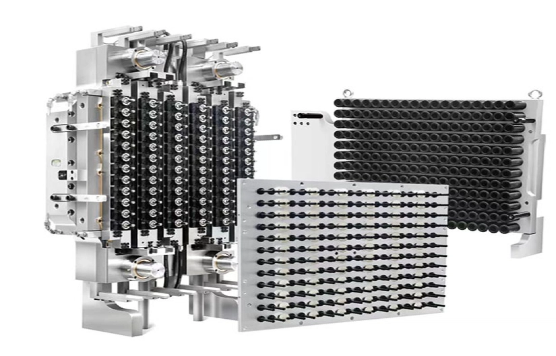
Agricultural Preform Molds usually contain multiple cavities. Each cavity produces one preform during an injection cycle.
High-volume molds may contain:
Mold Type | Cavities | Typical Application |
Small-scale mold | 16–32 | Specialty packaging |
Medium production mold | 48–72 | Standard container manufacturing |
Large-scale mold | 96–144 | High-volume bottle production |
The multi-cavity design allows manufacturers to produce hundreds of preforms every minute.
Most modern Agricultural Preform Molds use a hot runner system.
This system keeps plastic molten while it travels from the injection machine to each mold cavity. It eliminates solid runners that would otherwise require trimming or recycling.
Key advantages include:
● Reduced material waste
● Faster cycle times
● Stable injection pressure
● Consistent preform weight
Hot runner technology significantly improves production efficiency in large-scale packaging operations.
The neck finish is one of the most critical parts of a preform. It contains the threads that hold the bottle cap in place.
The Agricultural Preform Mold must shape the neck area with extreme accuracy. Even small dimensional errors can lead to leaks or poor sealing.
Precision machining ensures:
● Accurate thread geometry
● Smooth sealing surfaces
● Reliable cap compatibility
Manufacturers such as ShuangLi Technology invest heavily in high-precision machining equipment to achieve tight tolerances in this part of the mold.
Cooling plays a major role in injection molding. Plastic must solidify quickly to maintain production speed and shape accuracy.
Advanced Agricultural Preform Molds include:
● Internal cooling channels
● Temperature-controlled circuits
● Automated ejector systems
Cooling channels remove heat from the molten plastic, while ejector pins release the finished preforms without damaging them.
Efficient cooling systems shorten cycle time and increase overall productivity.
Material selection plays a critical role in both the mold structure and the final container quality. Manufacturers choose materials that offer strength, chemical resistance, and long production life.
Material | Key Characteristics | Typical Use |
PET | High clarity, strength, recyclability | Pesticide bottles, fertilizer containers |
HDPE | Strong chemical resistance | Chemical packaging |
PP | Good heat resistance | Agricultural additives |
Among these materials, PET dominates agricultural container production. It provides an excellent balance between strength and weight. It also resists moisture and oxygen penetration, helping preserve the quality of agricultural liquids.
PET performs especially well during stretch blow molding. When the preform expands, its molecular structure aligns along two directions. This process strengthens the container walls while maintaining transparency and durability.
Mold construction materials must also withstand high temperatures and pressure. Hardened tool steel often becomes the preferred choice for mold frames and cavity inserts. These steels resist wear during millions of molding cycles.
Manufacturers focusing on precision mold production, including ShuangLi Technology, often combine hardened steel components with high-accuracy machining processes. Such engineering ensures molds maintain dimensional accuracy even after extended industrial use.
The production process begins with PET pellets. These pellets pass through a drying system and then enter the injection molding machine.
Inside the machine:
1. The resin melts under high heat.
2. The injection screw pushes molten plastic into the mold.
3. The material fills each cavity evenly.
Precise temperature and pressure control ensure stable molding conditions.
Once the cavity fills with molten plastic, the cooling stage begins.
The cooling system removes heat quickly so the plastic solidifies into a rigid preform. During this stage, the preform shape, wall thickness, and neck finish become fixed.
Uniform cooling prevents distortion and ensures consistent product quality.
After cooling, the mold opens and ejector pins release the preforms.
In automated production lines, robotic systems often collect the preforms and transfer them directly to the next stage.
Automation helps maintain high production speed and reduces the risk of product damage.
The preforms are reheated using infrared heaters. The neck section remains cool while the body softens.
A stretch rod pushes into the preform while high-pressure air expands it outward into the shape of a bottle mold.
This process creates:
● Lightweight containers
● High structural strength
● Even material distribution
The result is a durable bottle ready for agricultural product packaging.
Tip: Maintaining precise heating temperatures during the blow molding stage improves bottle clarity and mechanical strength.
Agricultural Preform Molds support many packaging applications across the farming industry.
Pesticides require strong containers that resist chemical reactions and leakage. PET bottles produced from preforms provide both strength and sealing reliability.
Liquid fertilizers often require durable packaging to prevent contamination and evaporation.
Preform-based bottles offer:
● Impact resistance
● Lightweight transport
● Reliable sealing
Agricultural oils and plant protection products also use PET packaging because it maintains product stability and reduces breakage during shipping.
Beyond liquids, preform molds also support packaging for:
● Agricultural additives
● Soil treatment solutions
● Growth regulators
Custom bottle shapes allow manufacturers to differentiate their products while maintaining structural reliability.
Manufacturers choose preform molding technology because it improves both productivity and container performance. The system supports efficient large-scale production while maintaining product quality.
Advantage | Explanation |
High production output | Multi-cavity molds produce many preforms per cycle |
Stable product quality | Precision cavities ensure consistent dimensions |
Lightweight packaging | PET bottles reduce transport costs |
Strong container structure | Stretch molding improves durability |
High production efficiency remains one of the biggest benefits. A single injection mold can produce dozens of preforms each cycle. Combined with automated systems, factories can produce thousands of bottles per hour.
Precision mold design also ensures dimensional accuracy. Consistent wall thickness and neck geometry reduce packaging defects and improve sealing reliability.
Lightweight PET containers also help lower shipping costs. Even though they remain light, they still offer excellent durability and chemical resistance.
Reliable engineering contributes strongly to these advantages. Mold manufacturers such as ShuangLi Technology use advanced machining equipment and strict quality inspection systems to produce high-precision molds used across international packaging markets.
The cavity number depends on production capacity and machine specifications. Manufacturers often estimate hourly output before selecting mold size. Higher cavity counts increase output, but they also require stronger injection pressure and stable machine performance.
Hot runner systems improve efficiency because they keep plastic molten during injection. They reduce waste and help maintain stable material flow. Valve gate systems offer more precise control of plastic distribution. The final choice depends on production scale and product complexity.
A high-quality mold should include:
● Balanced cavity layout
● Efficient cooling channels
● Precision machining
● Durable mold materials
Manufacturers with strong engineering experience, such as ShuangLi Technology, often follow strict production standards to ensure long mold life and consistent product quality.
Before purchasing a mold, manufacturers must confirm compatibility with their injection molding machines.
Important factors include:
● Clamping force
● Injection pressure
● Mold dimensions
● Cooling system requirements
Note: Proper equipment compatibility helps maintain stable production cycles and prevents unexpected downtime.
The Agricultural Preform Mold plays an important role in modern agricultural packaging production. It helps manufacturers create durable and lightweight plastic containers used for pesticides, fertilizers, and other agricultural liquids. These containers must remain strong during storage, transport, and daily use. Preform molding technology makes this possible by improving structural strength and maintaining consistent bottle quality.
Through precise injection molding and stretch blow molding processes, manufacturers can produce containers that offer reliable sealing and uniform wall thickness. Multi-cavity mold structures, efficient cooling systems, and materials such as PET all contribute to stable production and efficient large-scale manufacturing.
Professional mold suppliers also support this process. Taizhou Shuangli Technology Co., Ltd. develops precision Agricultural Preform Molds using advanced machining equipment and strict quality control. Their mold solutions help improve production efficiency, ensure consistent container performance, and provide reliable packaging solutions for agricultural product manufacturers.
A: An Agricultural Preform Mold is a precision injection mold used to produce plastic preforms for agricultural containers. These preforms later expand through blow molding to become bottles for pesticides, fertilizers, oils, and other liquid farming products.
A: An Agricultural Preform Mold forms small plastic preforms through injection molding. The preforms are then reheated and stretched in a blow mold, where compressed air expands them into full bottles used in agricultural packaging.
A: Agricultural chemicals require strong and leak-resistant containers. An Agricultural Preform Mold helps manufacturers produce bottles that offer reliable sealing, consistent wall thickness, and strong chemical resistance.
A: Most preforms are made from PET plastic. It provides strength, lightweight performance, and chemical resistance. These properties make it suitable for agricultural liquid packaging and large-scale bottle manufacturing.
A: The cost of an Agricultural Preform Mold depends on cavity number, mold material, hot runner systems, machining precision, and mold size. High-cavity molds and advanced runner systems usually increase the overall investment.
A: An Agricultural Preform Mold allows better control of wall thickness and container strength. The stretch blow molding stage improves bottle durability while keeping weight low, making it ideal for large-scale agricultural packaging production.


