
Views: 0 Author: Site Editor Publish Time: 2026-03-09 Origin: Site
What happens if an agrochemical bottle fails during transport? Even a small leak can cause safety risks, product loss, and environmental damage. Agrochemical products such as pesticides, herbicides, and fertilizers require packaging that remains strong, stable, and reliable for long periods. Behind every durable container stands a carefully engineered Agricultural Preform Mold. It shapes the plastic preform that later becomes the final bottle through blow molding. When mold precision drops, bottles may develop weak walls, poor sealing areas, or uneven structures. These issues can affect product safety and production efficiency.
In this article, we will explore how to choose the right Agricultural Preform Mold for agrochemical packaging. You will learn key factors such as mold materials, cavity design, production compatibility, and supplier selection. Understanding these elements helps manufacturers produce safer containers and maintain stable packaging performance.
Choosing the correct mold requires more than comparing prices or suppliers. Several technical factors directly influence the durability, safety, and efficiency of agrochemical packaging.
Agrochemicals often contain strong active ingredients that can interact with certain plastics. If the packaging material reacts with the product, it may cause contamination or structural damage over time.
To avoid this issue, the Agricultural Preform Mold must be designed to produce preforms compatible with materials such as:
● PET (Polyethylene Terephthalate) – widely used for chemical containers due to strength and clarity
● PP (Polypropylene) – excellent chemical resistance and heat tolerance
The mold must maintain strict dimensional accuracy so these materials form consistent containers capable of storing aggressive chemicals safely.
Agrochemical production environments often involve high temperatures, pressure, and repeated cycles. Mold materials must withstand these conditions for long production runs.
Common high-performance mold materials include:
Mold Material | Key Benefit | Typical Application |
Stainless Steel | Excellent corrosion resistance | Chemical packaging |
H13 Tool Steel | High wear resistance | Large-scale production |
Hardened Alloy Steel | Thermal stability | High-pressure molding |
These materials allow the Agricultural Preform Mold to maintain dimensional precision even after thousands of production cycles.
The neck finish of the bottle is one of the most critical areas in agrochemical packaging. It ensures the cap seals tightly and prevents leakage of hazardous substances.
A well-designed mold ensures:
● Accurate thread patterns
● Uniform sealing surfaces
● Compatibility with closure systems
Even small deviations can affect sealing performance, which is why mold precision is essential.
Preform weight determines the final bottle strength and material usage. For agrochemical containers, the structure must be strong enough to handle chemical pressure and transportation.
Typical guidelines include:
● 12–18 g preforms for smaller bottles
● Heavier preforms for large chemical containers
Balancing weight and strength helps manufacturers reduce material costs while maintaining safety.
A precise cavity layout ensures the molten plastic distributes evenly during injection molding. This creates bottles with consistent wall thickness.
Benefits include:
● Improved container strength
● Reduced risk of weak points
● Better blow molding performance
Uniform walls also improve stacking stability during storage and transport.
Agrochemical packaging must follow strict safety regulations related to chemical storage and transportation.
A well-designed Agricultural Preform Mold supports compliance by ensuring:
● Leak-proof packaging
● Consistent container structure
● Reliable sealing performance
Note: Many agrochemical brands require packaging to pass transportation and drop tests before entering distribution.
Cooling systems inside the mold remove heat during injection molding. Efficient cooling allows plastic to solidify faster, reducing production cycle times.
Benefits include:
● Faster manufacturing speeds
● Stable product quality
● Lower energy consumption
Poor cooling design may lead to warped preforms or inconsistent wall thickness.
Modern mold manufacturing relies on high-precision CNC machining equipment. These machines ensure every cavity in the mold maintains extremely tight tolerances.
Companies such as ShuangLi Technology use advanced CNC processing and strict quality control systems to produce precision Agricultural Preform Molds used in pesticide containers, agricultural bottles, and other packaging solutions.
High-precision machining improves:
● Mold accuracy
● Product consistency
● Equipment compatibility
Large agrochemical manufacturers often require high production volumes. Multi-cavity molds solve this challenge by producing many preforms during each injection cycle.
Mold Type | Typical Cavities | Production Benefit |
Low-cavity mold | 2–8 | Ideal for small production runs |
Medium-cavity mold | 12–24 | Balanced production output |
High-cavity mold | 48 or more | Maximum manufacturing efficiency |
Multi-cavity molds increase productivity while maintaining dimensional accuracy across every preform.
Tip: High-volume production lines often combine multi-cavity molds and automated handling systems to maximize efficiency.
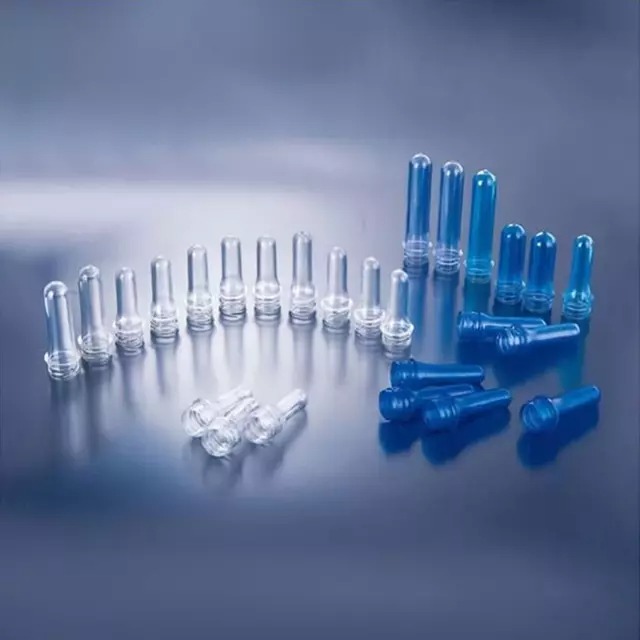
PET is widely used due to its excellent strength-to-weight ratio and clarity. Many agrochemical bottles rely on PET because it allows users to see liquid levels easily.
Advantages include:
● Lightweight structure
● High durability
● Good barrier protection
PET containers also maintain shape stability during transport and storage.
PP preforms offer higher heat resistance than PET. They are commonly used for products requiring sterilization or exposure to higher temperatures.
Key benefits include:
● Excellent chemical resistance
● Greater flexibility
● High thermal stability
PP containers are often used for industrial chemicals and agricultural solutions that require additional durability.
Material selection depends on several factors:
Product Type | Recommended Material | Reason |
Pesticides | PET | Strength and clarity |
Fertilizers | PET or PP | Chemical resistance |
Industrial chemicals | PP | Heat tolerance |
Choosing the right material ensures the Agricultural Preform Mold produces containers suited to the product’s chemical characteristics.
Many agrochemical manufacturers operate around the clock. Their equipment must withstand constant production cycles.
A high-quality Agricultural Preform Mold designed for continuous production offers:
● Long service life
● Reduced maintenance
● Stable performance over time
Durable molds prevent unexpected downtime and maintain production schedules.
Production needs vary across companies. Some produce large quantities of a single bottle design, while others manufacture multiple container types.
Common configurations include:
Production Need | Mold Type |
High-volume manufacturing | Multi-cavity molds |
Custom bottle production | Low-cavity molds |
Product testing | Prototype molds |
Selecting the right configuration ensures efficient resource use and flexible production planning.
Agricultural packaging often requires specialized container designs.
Unique bottle shapes help agricultural brands stand out on store shelves. Mold customization allows manufacturers to produce containers that combine aesthetics and function.
Custom shapes can improve:
● Brand recognition
● Ergonomic handling
● Product identification
Different agrochemical products require specific cap designs, such as measuring caps, safety closures, or dispensing lids.
Mold design must match these closures precisely to ensure secure sealing and user convenience.
Some manufacturers produce several container sizes for different chemical products. A flexible Agricultural Preform Mold design allows them to create multiple variations efficiently.
Manufacturers like ShuangLi Technology provide customized mold solutions used in pesticide containers, seedling trays, and other agricultural packaging products.
Note: Customized molds can support both standard bottle designs and specialized agricultural packaging requirements.
Choosing the right mold supplier is as important as selecting the mold design itself.
Reliable mold manufacturers invest heavily in advanced machining equipment and inspection systems.
Quality control methods may include:
● Precision CNC machining
● Coordinate measuring machines (CMM)
● Surface finishing technology
● Dimensional inspection
These technologies ensure the Agricultural Preform Mold meets strict accuracy standards.
International packaging operations require dependable supply chains and technical assistance.
Experienced manufacturers provide:
● Engineering consultation
● Mold installation support
● After-sales service
● Spare parts availability
These services help companies maintain consistent production performance.
Precision molds shorten production cycles and improve equipment performance across the entire production line. They allow machines to run smoothly with fewer adjustments during operation. This increases overall manufacturing output and helps factories maintain stable, high-speed production.
Uniform preforms ensure smooth blow molding and consistent bottle dimensions during downstream processing. Balanced wall thickness improves container strength and stability during transport. This reduces waste, lowers defect rates, and improves overall product reliability.
Durable molds reduce maintenance costs and extend production lifespan over millions of cycles. Strong mold materials also minimize unexpected downtime during continuous manufacturing.
Benefit | Result |
Precision manufacturing | Fewer defects |
Long mold life | Lower replacement cost |
Efficient production | Higher profitability |
Over time, investing in a reliable Agricultural Preform Mold significantly improves operational efficiency.
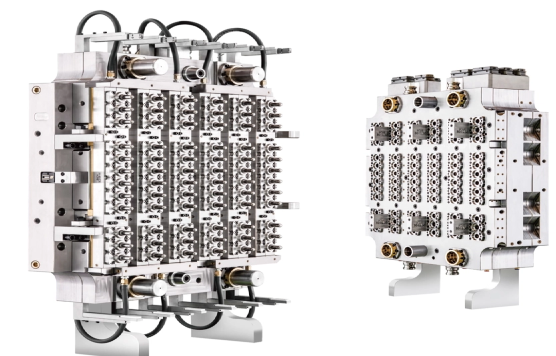
Choosing the right Agricultural Preform Mold is essential for safe and efficient agrochemical packaging. Manufacturers must evaluate material compatibility, mold structure, cavity precision, and cooling performance. These factors influence container strength, sealing reliability, and production stability during long manufacturing cycles. A well-designed mold helps maintain consistent bottle quality while reducing waste and improving operational efficiency across large production lines.
Working with experienced mold suppliers also plays an important role. Taizhou Shuangli Technology Co., Ltd. provides precision agricultural preform mold solutions designed for durability, accurate cavity structure, and stable high-volume production. Their advanced CNC manufacturing and strict quality control help ensure reliable performance for pesticide and agrochemical packaging containers. By selecting high-quality mold engineering and trusted manufacturing support, companies can achieve safer packaging and more efficient large-scale production.
A: An Agricultural Preform Mold is a precision mold used to produce plastic preforms that later become bottles through blow molding. It determines container strength, wall thickness, and neck accuracy. A well-designed mold ensures chemical containers remain safe, leak-resistant, and durable during storage and transport.
A: Selecting the right Agricultural Preform Mold requires evaluating mold material, cavity design, cooling efficiency, and compatibility with PET or PP materials. Manufacturers should also consider production volume and sealing requirements to ensure consistent bottle quality.
A: Agrochemicals often contain active ingredients that can react with plastics. A properly designed Agricultural Preform Mold supports materials like PET or PP that resist chemical corrosion, helping containers maintain stability and safety during long storage periods.
A: The cavity structure of an Agricultural Preform Mold controls how molten plastic flows during injection. Balanced cavities create uniform wall thickness, stronger bottles, and better blow-molding performance. This improves packaging durability and reduces production defects.
A: The cost of an Agricultural Preform Mold depends on cavity number, mold steel quality, machining precision, and cooling system design. Multi-cavity molds and hardened steel materials increase initial cost but usually provide higher productivity and longer service life.
A: A multi-cavity Agricultural Preform Mold produces multiple preforms in one injection cycle. This improves manufacturing efficiency, reduces production costs per bottle, and maintains consistent dimensions across high-volume agrochemical packaging lines.


