
Views: 0 Author: Site Editor Publish Time: 2026-11-03 Origin: Site


Edible oil packaging operates in a high-stakes, competitive reality. Margins remain notoriously tight across the global food sector. Everyday material waste or unexpected production downtime directly erodes profitability for manufacturers. You need a robust technical framework to evaluate and specify your tooling correctly. Choosing the wrong hardware setup causes weak bottle walls, imperfect seals, and massive scrap rates on the production floor. Aligning production economics with oil-specific packaging requirements is critical to maintaining a healthy bottom line.
This guide explores the core variables determining unit efficiency and overall performance. We will carefully examine neck finish configurations, precision preform weight calculations, and optimized cavity layouts. You will discover exactly how viscosity, barrier needs, and machine limits shape your purchasing decisions. By the end, you will know exactly how to specify the right PET Preform Mold for your facility.
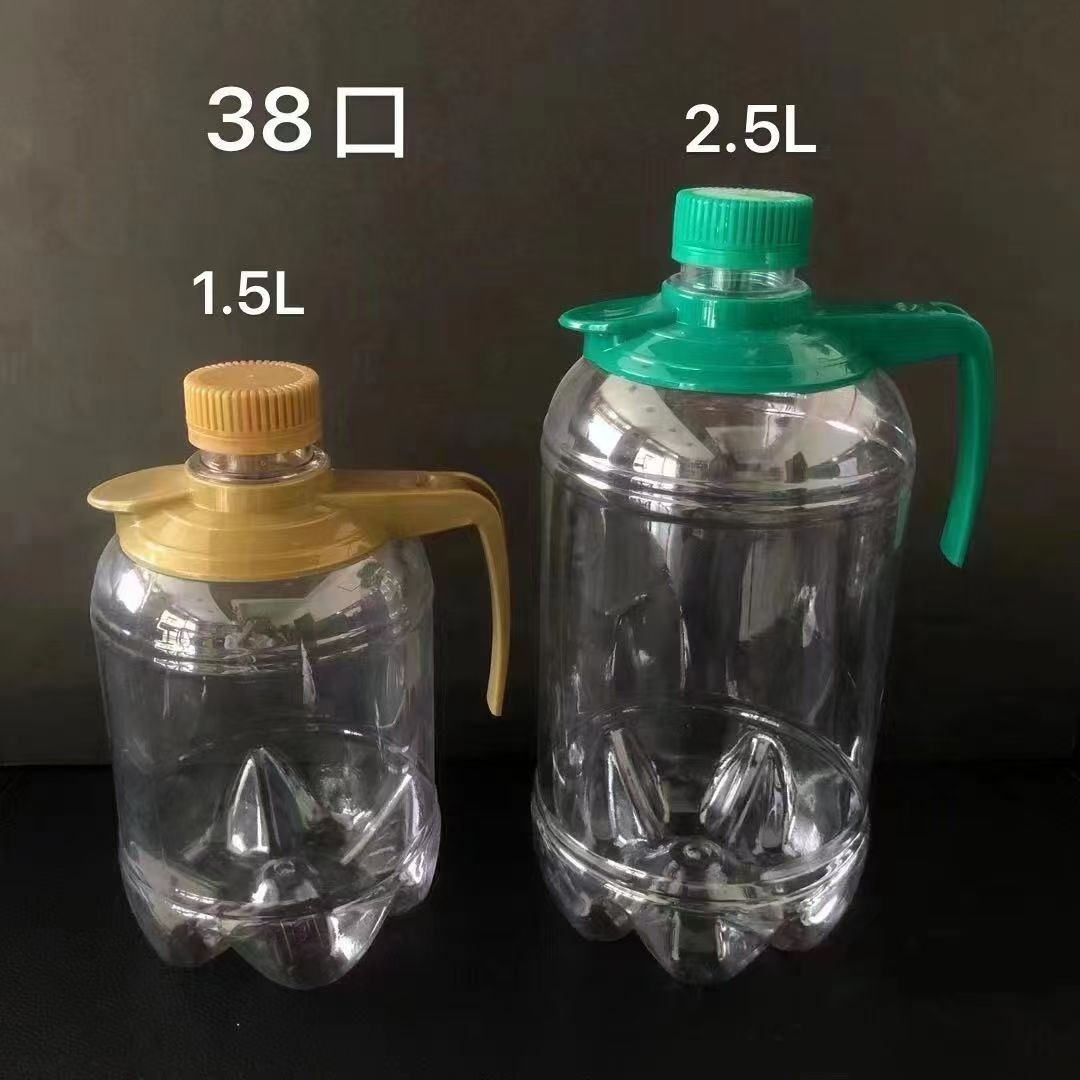
Edible oils present unique packaging challenges. Unlike water or carbonated beverages, oils have higher viscosity. They pour slowly and require highly controlled dispensing mechanisms. Your tooling must support specific neck dimensions allowing closures like pull-rings or butterfly caps to fit perfectly. If the neck finish deviates by fractions of a millimeter, closures fail to engage properly. This leads to messy dispensing and frustrated consumers.
Product shelf-life also heavily influences tool engineering. Oils degrade quickly when exposed to UV light and oxygen. To combat this, manufacturers blend PET resins alongside specialized barrier additives or colorants. These additives fundamentally alter the melt flow index of the plastic. A standard mold struggles to handle these varied melt flows. You must specify advanced thermal control systems inside the hot runner block. Precise heating ensures the resin flows uniformly into every cavity.
Furthermore, oil bottles endure extreme top-load stresses. Warehouses stack 5-liter oil bottles multiple pallets high. The PET Preform Mold must guarantee perfectly uniform wall thickness distribution. Thin spots in the preform stretch unevenly during the blow molding phase. This creates compromised sidewalls. When pallets stack up, weak bottles buckle, causing catastrophic leaks across the entire supply chain.
The edible oil industry relies on several standardized neck finishes. Standard sizes typically include 29/21mm, 32mm, 36mm, and 46mm formats. The chosen size dictates the pouring speed and the type of closure you can apply. You must communicate your exact closure strategy to your toolmaker.
Tooling requirements change drastically depending on closure types. Snap-on closures require aggressive undercut designs in the mold neck ring. The tool must eject the preform without stripping the snap ring profile. Conversely, screw-thread closures demand high-precision thread cutting in the mold components. Poorly machined threads cause closures to back off during transit.
Standard Edible Oil Neck Finishes Reference
| Neck Size | Closure Type | Typical Application |
|---|---|---|
| 29/21mm | Press-fit / Snap-on | 500ml - 1L retail bottles |
| 32mm | Screw-thread with insert | 1L - 2L general purpose oils |
| 36mm | Screw-thread / Pull-ring | 2L - 3L bulk consumer oils |
| 46mm | Wide-mouth handle cap | 5L commercial oil jugs |
Consumer safety relies on tamper-evident packaging. Modern oil closures feature locking rings that break upon first opening. The mold design uses a split ring mechanism to form the groove where this tamper band sits. This area requires exceptional precision.
Implementation carries significant risks. The neck ring area demands aggressive venting to allow displaced air to escape during injection. Improper venting traps air. This leads to short shots or flash around the sealing surface. Even microscopic flash on the neck lip compromises the induction seal. Leaking oil damages boxes and ruins entire shipments. Always mandate rigorous vent depth verification during your tool trials.
Many producers want operational flexibility. Specifying tools equipped featuring interchangeable neck inserts seems attractive. This strategy allows you to switch between a 32mm and a 36mm finish using the same core and cavity blocks.
However, you face clear trade-offs. Interchangeable parts introduce maintenance complexities. Over millions of rapid injection cycles, inserts experience microscopic shifting. This alignment risk causes parting line mismatch. Mismatched parting lines create oval-shaped necks. Oval necks leak. If you prioritize maximum uptime, dedicated tooling often proves more reliable than interchangeable systems.
Material costs dominate production expenses. Calculating the exact preform weight required for your target volume ensures profitability. Manufacturers cannot afford to give away free plastic. Typical weight ranges vary based on the final container shape and volume.
A standard 1L oil bottle usually requires 24g to 28g of PET. A heavy-duty 5L jug demands 80g to 110g. You must lock in this target weight early. The mold core and cavity dimensions dictate the physical space the melted resin occupies. Precision engineering ensures every single shot hits the exact gram target.
Chart: Preform Weight vs. Bottle Volume Baselines
| Bottle Capacity | Minimum Recommended Weight (g) | Maximum Recommended Weight (g) |
|---|---|---|
| 500 ml | 14g | 18g |
| 1 Liter | 24g | 28g |
| 2 Liters | 38g | 45g |
| 5 Liters | 80g | 110g |
Weight alone does not guarantee a good bottle. You must calculate both axial and hoop stretch ratios. The preform must stretch proportionally during the blowing process. If the preform is too short, the axial stretch ratio falls too low. The plastic will not orient correctly, leaving the bottle brittle.
Core shift presents a massive danger during injection. Melted plastic enters the cavity under immense pressure. If the core pin flexes even slightly, wall thickness becomes uneven. One side of the preform ends up thick, while the opposite side runs thin. Once blown, these bottles fail drop tests instantly. Heavy oil bursts through the thin side upon impact.
The industry aggressively pursues lightweighting to reduce material spend. Shaving two grams off a preform yields massive annual savings. However, lightweighting reduces your margin for error dramatically.
Pushing the lower limits of preform weight requires exceptional hardware. You need high-grade mold steel resisting deflection under extreme pressure. Furthermore, thinner preforms cool faster. Advanced cooling channels must extract heat instantly to prevent crystallization. Crystallized PET turns cloudy and weak. Safe lightweighting is impossible without top-tier engineering.
Selecting the right cavity configuration dictates your return on investment. Do not guess this number. You must calculate required cavities using a strict framework.
Using this framework prevents under-capitalization. It also stops you from buying a massive 72-cavity tool when a 48-cavity setup perfectly meets your five-year growth projections.
Your existing injection molding machine (IMM) limits your cavitation options. You must match the tool footprint and clamping force to your IMM. Higher cavities require exponentially higher tonnage.
The formula for required clamping force multiplies the projected area of all cavities by the internal injection pressure. If you lack sufficient clamping force, the mold will blow open during injection. This causes severe flash across the entire parting line. Before ordering a high-cavity tool, verify your machine offers adequate tie-bar spacing and tonnage safety margins.
High-cavitation molds introduce complex quality control challenges. Running 48, 72, or 96 cavities simultaneously sounds highly efficient. However, ensuring uniform melt distribution across all cavities is incredibly difficult. Plastic naturally flows faster to center cavities than to edge cavities.
Uneven cooling presents another risk. Center cavities often run hotter. This inconsistency creates varying preform dimensions within a single shot. When shortlisting suppliers for high-cavity tools, demand specific proof of competence. Buyers must demand mold flow analysis reports. You must also review empirical hot runner balancing data from the manufacturer before approving the design.
Tool longevity depends entirely on material selection. Preform molds operate in harsh environments. Cold water running through the tool causes heavy external condensation. This moisture quickly rusts inferior metals.
Establish strict baselines for material selection. Demand S136 stainless steel or an exact equivalent for all cores, cavities, and neck rings. This steel grade offers superior corrosion resistance. Furthermore, check the hardness specifications on the technical drawing. Critical components must reach HRC 45-52. Softer steel wears down quickly, leading to parting line flash and dimensional failure.
The gate quality dictates the base strength of the final bottle. A poor gate causes stringing, where a tiny thread of plastic remains attached to the preform base.
Cooling time consumes the majority of any injection cycle. The faster you extract heat from the melted PET, the faster you can open the tool. Evaluate exactly how the supplier designs their cooling circuits.
Compare conformal cooling against traditional straight-drilled cooling. Conformal cooling channels wrap closely around the complex curves of the preform. This uniform heat extraction drastically outpaces traditional designs. Optimized cooling reduces cycle times by several seconds. Saving three seconds per cycle compounds into massive ROI gains over a full year of continuous oil bottle production.
Evaluating and specifying new tooling is ultimately an exercise in balancing upfront capital expenditure with long-term Overall Equipment Effectiveness (OEE). Every technical decision, from neck finish geometry to cooling channel layout, directly impacts your daily production metrics. Poor choices lead to cracked bottles, leaking oil, and ruined pallets.
Procurement and engineering teams must avoid selecting hardware based on initial price alone. Cheap tooling utilizes inferior steel and unbalanced hot runners, leading to endless maintenance downtime. Prioritize suppliers who provide transparent mold flow analysis, written cycle time guarantees, and verifiable steel certifications. Your next step is straightforward: contact your shortlisted manufacturers and request comprehensive 2D/3D technical drawings alongside a detailed tooling component list.
A: Cycle times depend heavily on wall thickness and cooling efficiency. For a heavy 5L preform (80g-110g), cycles typically range from 20 to 35 seconds. Advanced conformal cooling and optimized chilling systems help push cycles closer to the 20-second mark.
A: Yes, operators can change mold core pins to adjust preform weight slightly. However, limitations exist. Changing the core length significantly alters the stretch ratios and wall thickness. Pushing these adjustments too far ruins bottle integrity.
A: Gate stringing creates a physical defect and microscopic weak spot directly at the bottle base. Edible oil is heavy. When filled, the fluid exerts severe pressure downward. Weak bases suffer stress cracking and ultimately burst under this load.
A: Assuming proper preventative maintenance, clean water lines, and the utilization of high-grade stainless steel (like S136), a premium tool easily exceeds 3 to 5 million shots minimum before requiring major component refurbishment.


