
Views: 0 Author: Site Editor Publish Time: 2026-02-09 Origin: Site
When it comes to manufacturing critical components for the medical industry, the precision, quality, and regulatory compliance of the molds used are non-negotiable. Medical Preform Molds and General Preform Molds may look similar at first glance, but there are significant differences that affect their performance, application, and regulatory standards. Understanding these differences is key for manufacturers who want to ensure the safety, functionality, and quality of their products.
At ShuangLi Technology, we specialize in producing high-quality Medical Preform Molds that meet the highest standards in the healthcare industry. Our molds are tailored to the precise needs of medical production, ensuring compliance with all required regulations. In this article, we will explore the key differences between Medical Preform Molds and General Preform Molds, including regulatory and quality requirements, material selection, design features, and more.
Medical Preform Molds are specifically designed for the production of medical components such as vials, bottles, and syringes that require high precision, reliability, and safety. These molds must meet stringent medical-grade standards set by regulatory bodies like the FDA and ISO to ensure the safety and efficacy of the final product. Medical products must adhere to strict requirements for biocompatibility, cleanliness, and durability, and Medical Preform Molds are designed to meet these needs by ensuring that the molds themselves do not introduce any contaminants or defects during production.
At ShuangLi Technology, we manufacture Medical Preform Molds that are engineered to meet these high standards, with particular attention to maintaining consistency, precision, and safety across every mold. Our expertise in medical-grade manufacturing processes ensures that our molds are suited to the most demanding medical applications.
On the other hand, General Preform Molds are designed for the production of everyday consumer goods, such as plastic containers, bottles, and packaging. While these molds may also require precision and consistency, they do not need to meet the same stringent regulatory and biocompatibility standards as Medical Preform Molds. General Preform Molds are typically used for mass production of standard packaging materials and can be made from a wider variety of materials without needing to adhere to the specific safety and performance standards required for medical components.
These molds are designed primarily for industrial applications and are often more flexible and cost-effective than Medical Preform Molds, but they are not suited for high-performance medical applications that require strict compliance with regulatory standards.
The most significant difference between Medical Preform Molds and General Preform Molds lies in the regulatory requirements. Medical Preform Molds must comply with FDA regulations and ISO 13485 for medical device manufacturing, which ensures that every step of the manufacturing process meets strict quality management standards. These regulations focus on ensuring the safety, performance, and traceability of medical components.
In contrast, General Preform Molds are typically subject to less rigorous standards. While industrial standards may be in place, they are not as strict or comprehensive as those required for medical products. For instance, FDA approval is not necessary for General Preform Molds, and the focus is more on cost-effectiveness and efficiency rather than regulatory compliance.
In medical manufacturing, cleanliness and traceability are paramount. Medical Preform Molds are often used in cleanroom environments where contamination must be minimized. The molds themselves are designed to ensure that no foreign particles or contaminants are introduced during the molding process. In addition, detailed traceability is required for Medical Preform Molds, ensuring that every part can be traced back to its manufacturing source for safety and regulatory purposes.
On the other hand, General Preform Molds are typically used in standard manufacturing environments, where cleanroom conditions and traceability may not be as critical. While quality control remains important, the need for stringent contamination control and traceability is less emphasized compared to medical-grade molding.
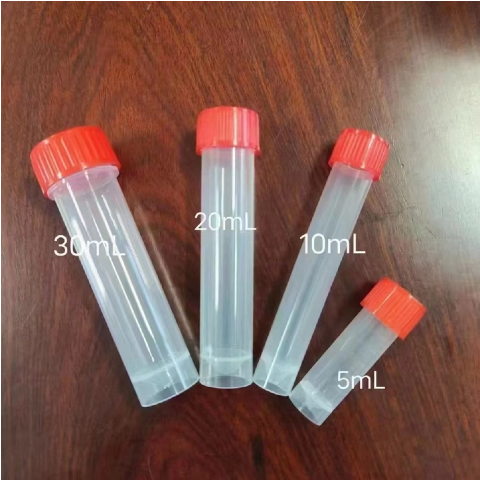
One of the most significant differences between Medical Preform Molds and General Preform Molds is the materials used. Medical Preform Molds are made from biocompatible materials to ensure that the components produced are safe for human contact. Materials like PEEK (Polyether Ether Ketone), PC (Polycarbonate), and LSR (Liquid Silicone Rubber) are commonly used in medical molding due to their ability to resist harsh sterilization processes, biocompatibility, and strength.
In contrast, General Preform Molds are typically made from standard polymers such as PET (Polyethylene Terephthalate) and PP (Polypropylene), which are suitable for general packaging but do not have the specialized properties required for medical applications. These materials are not biocompatible and may not withstand the stringent sterilization processes required for medical components.
For General Preform Molds, the material selection focuses on versatility, cost-efficiency, and production speed. Materials like PET and PP are chosen for their affordability and ease of processing, making them ideal for producing packaging products in large volumes. However, these materials are not designed to meet the high-performance and regulatory demands of medical products.
Medical Preform Molds are designed to withstand harsh sterilization methods such as autoclaving, gamma radiation, and ethylene oxide (ETO) sterilization. This makes them ideal for medical applications that require repeated sterilization without compromising the integrity of the components. The materials used in Medical Preform Molds must also be resistant to a wide range of chemicals, ensuring that the molded components maintain their strength and performance even in the presence of harsh chemicals.
In contrast, General Preform Molds are typically not designed to withstand such extreme sterilization methods and may degrade when exposed to high temperatures, chemicals, or radiation. These molds are more suited for applications that do not require frequent sterilization, such as standard plastic packaging.
Precision and tight tolerances are crucial for Medical Preform Molds. Medical components must meet strict dimensional accuracy to ensure proper functionality, especially in critical applications such as surgical instruments and pharmaceutical packaging. Medical Preform Molds are designed to ensure that each molded part meets the exact specifications required, with minimal variation between production runs.
General Preform Molds also require precision, but the tolerance requirements are generally less stringent. As a result, General Preform Molds are often easier and faster to produce, but they may not meet the high precision required for medical applications.
Feature | Medical Preform Mold | General Preform Mold |
Regulation | FDA/ISO | Industry standards |
Material | Biocompatible only | Standard polymers |
Environment | Cleanroom | Normal factory |
Sterilization | Autoclave, Gamma, ETO | Not suitable for sterilization |
Precision & Tolerances | High | Moderate |
Choosing the right mold for medical or industrial applications is critical to ensuring the success and safety of the final product. Medical Preform Molds are designed to meet strict regulatory requirements, utilize biocompatible materials, and undergo sterilization, making them ideal for medical components that must meet high performance, safety, and regulatory standards. In contrast, General Preform Molds are designed for high-volume, cost-effective production of standard packaging products, where precision and regulatory compliance are not as critical.
At ShuangLi Technology, we specialize in providing high-quality Medical Preform Molds that are tailored to meet the specific needs of the healthcare industry. Whether you are producing medical devices, pharmaceutical packaging, or other critical components, our Medical Preform Molds ensure that your production process meets the highest standards of quality and safety.
For more information about our Medical Preform Molds, please contact us today.
What makes a Medical Preform Mold different from a General Preform Mold?
Medical Preform Molds are made with biocompatible materials and are designed to meet stringent FDA and ISO regulations, while General Preform Molds are typically made with standard polymers for non-medical applications.
Why are biocompatible materials important for Medical Preform Molds?
Biocompatible materials ensure that the molded components are safe for human contact and do not cause adverse reactions when used in medical applications.
What sterilization methods can Medical Preform Molds withstand?
Medical Preform Molds can withstand autoclaving, gamma radiation, and ethylene oxide sterilization, making them ideal for medical components that require repeated sterilization.
How do precision and tolerance requirements differ between Medical and General Preform Molds?
Medical Preform Molds require higher precision and tighter tolerances to ensure the safety and functionality of medical components, while General Preform Molds have more lenient tolerance requirements.


