
Views: 0 Author: Site Editor Publish Time: 2026-03-05 Origin: Site
What keeps agricultural chemicals safe during transport and storage? Strong packaging plays a bigger role than many people realize. Modern farming relies on containers that resist chemicals, sunlight, and rough handling during long supply chains. At the center of these containers sits the Agricultural Preform Mold. It shapes PET preforms, small tube-like parts later expanded into bottles through blow molding. When the mold works precisely, the final container gains strength, sealing accuracy, and consistent structure.
In this article, we explore how an Agricultural Preform Mold supports modern agricultural packaging. You will learn how these molds work, what components define their quality, and how manufacturers such as ShuangLi produce high-precision molds for large-scale bottle production.
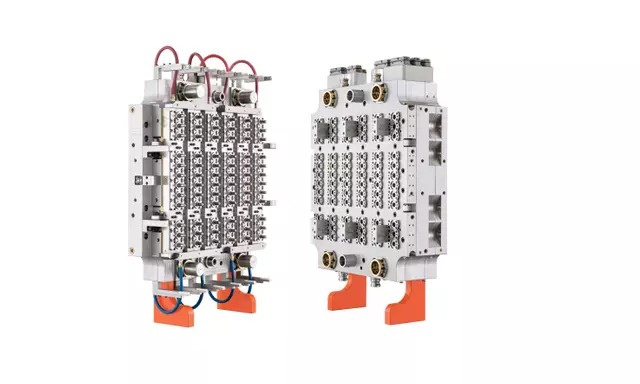
An Agricultural Preform Mold forms PET resin into a preform before the bottle stage begins. It works inside an injection molding machine, where molten PET enters the cavity under high pressure. The cavity shapes the preform instantly while cooling systems stabilize the material.
Preforms resemble small tubes but already contain the final bottle neck. Engineers design them carefully because the neck threads must fit caps perfectly. If the mold lacks precision, the container may leak or lose structural strength during filling.
The relationship between molds and bottles is simple. The mold defines the quality of the preform, and the preform defines the final container.
Production Stage | Function |
Injection molding | Creates PET preforms |
Preform cooling | Stabilizes structure |
Blow molding | Expands preform into bottle |
Every stage depends on the accuracy of the original mold.
PET containers produced from agricultural preforms serve many farming sectors. Common applications include:
● Pesticide and herbicide bottles
● Liquid fertilizer containers
● Agricultural chemical packaging
● Soil treatment and nutrient bottles
Each product requires packaging capable of resisting chemicals and surviving transport across long supply chains.
Agricultural packaging must perform in demanding environments. Containers may face sunlight, temperature changes, transport stress, and exposure to aggressive chemicals.
High-precision molds ensure:
● Tight sealing performance
● Consistent wall thickness
● Stable container shape
● Reliable structural strength
Even small design errors in the mold can cause large production losses.
Tip: When selecting a mold supplier, ask for cavity tolerance specifications and cycle life estimates. High-quality molds often exceed several million production cycles.
A high-performance Agricultural Preform Mold consists of several engineered components. Each part contributes to production efficiency and product quality.
The mold core and cavity form the shape of the preform. These components experience high temperatures and pressure during injection molding.
Manufacturers often use corrosion-resistant steels such as:
Material | Key Advantage |
ASSAB S136 | High corrosion resistance |
DIN 1.2316 | Excellent polishing ability |
Stainless tool steel | Long service life |
These materials withstand millions of molding cycles while maintaining dimensional accuracy.
Hot runner systems distribute molten PET directly to each cavity. Unlike cold runners, they reduce waste because excess material does not solidify in runner channels.
Benefits include:
● Faster cycle time
● Reduced plastic waste
● Stable material flow
● Improved production efficiency
For multi-cavity molds, balanced hot runner design becomes critical.
Cooling channels regulate mold temperature during production. PET must cool evenly to maintain structural integrity.
Well-designed cooling systems help achieve:
● Shorter cycle times
● Consistent preform dimensions
● Reduced deformation
Engineers carefully calculate channel placement to maintain balanced heat removal.
The neck finish is the most critical feature of a PET preform. It includes the threads and sealing surface used by bottle caps.
Precision machining ensures:
● Tight thread tolerances
● Smooth sealing surfaces
● Compatibility with standard closures
This prevents leaks when containers store agricultural chemicals.
Production scale usually determines the number of cavities in an agricultural preform mold. For product testing or small batch production, manufacturers often use a single-cavity mold. This setup helps engineers evaluate preform design and molding performance before scaling up.
When production demand grows, molds with 8 to 16 cavities become common. These molds provide stable output while maintaining balanced material flow and temperature control. For large agricultural packaging operations, molds with 32 to 48 or more cavities are widely used, allowing manufacturers to significantly increase production efficiency and meet high-volume packaging needs.
Production begins when PET resin pellets melt inside the injection molding machine. The molten material enters the mold under controlled pressure.
The mold cavity shapes the preform instantly. Wall thickness, neck design, and material distribution form during this stage.
After injection, the material cools inside the cavity. Cooling time determines structural stability and dimensional accuracy.
Balanced cooling prevents issues such as:
● Warping
● Sink marks
● Uneven material distribution
Once cooled, the preform is released from the mold. Automated systems remove the part using stripper plates or robotic arms.
Automation ensures consistent cycle times and reduces handling damage.
Preforms then move to the blow molding stage. They are reheated and placed inside a blow mold. Compressed air expands them into the final container shape.
The entire workflow connects two key technologies:
Process | Function |
Injection molding | Produces the preform |
Blow molding | Forms the final container |
Manufacturers such as ShuangLi focus heavily on mold precision during this workflow. Their molds maintain consistent cavity accuracy, allowing packaging companies to produce large quantities of identical bottles.
PET containers provide excellent resistance to chemicals commonly used in agriculture.
These include:
● pesticides
● herbicides
● fertilizers
● plant nutrients
Proper molding improves the barrier performance of the container.
Injection molding ensures even wall thickness across the preform.
This results in containers that resist:
● impact during transportation
● pressure during filling
● deformation in outdoor environments
Modern mold design supports lightweight container structures. Engineers optimize material distribution without sacrificing strength.
Benefits include:
● lower plastic consumption
● reduced shipping weight
● lower manufacturing costs
Multi-cavity molds enable high production output.
For example:
Mold Cavities | Output per Hour |
16 cavities | ~8,000 preforms |
32 cavities | ~16,000 preforms |
48 cavities | ~24,000+ preforms |
Large packaging facilities rely on this efficiency to meet global agricultural demand.
Custom mold design helps manufacturers meet specific packaging requirements.
Material selection influences container durability.
PET can include additives for:
● UV resistance
● impact strength
● weather stability
These features protect containers stored outdoors.
Agricultural chemicals vary in composition. Some contain solvents or corrosive compounds.
Designers evaluate:
● bottle wall thickness
● material formulation
● cap sealing surfaces
This ensures safe storage of chemicals.
Efficient mold design improves productivity.
Engineers optimize:
● runner balance
● cavity alignment
● cooling channel placement
Companies such as ShuangLi integrate advanced mold design software and strict quality inspection procedures. This approach ensures stable performance throughout the mold’s service life.
Note: Reliable mold manufacturers often perform trial runs and cavity balance testing before delivery to confirm consistent production performance.
Application Area | Typical Products | Key Requirement |
Crop Protection | Pesticides, Herbicides | Leak resistance |
Fertilizers | Liquid nutrients | Chemical durability |
Irrigation Solutions | Soil treatments, additives | Structural stability |
Crop protection chemicals require secure packaging. Containers must resist leaks and contamination.
PET bottles made from precision preforms meet these safety requirements.
Liquid fertilizers require containers capable of handling chemical exposure and long storage periods.
PET containers provide:
● chemical resistance
● durability
● lightweight transport
Agricultural solutions used in irrigation systems often require durable bottles.
Typical products include:
● soil conditioners
● irrigation additives
● crop nutrition solutions
Precision molding ensures consistent container performance across large production runs.
Even the best mold requires proper maintenance to ensure long-term reliability.
Manufacturers perform regular inspections to maintain mold accuracy.
Typical maintenance tasks include:
● cleaning cavity surfaces
● checking cooling channels
● inspecting wear on mechanical parts
Preventive maintenance extends mold lifespan and ensures stable production.
Production parameters must remain consistent.
Operators monitor:
● injection pressure
● mold temperature
● cycle time stability
Maintaining these settings ensures consistent preform quality across thousands of cycles.
Tip: Establish a preventive maintenance schedule after every major production run to maintain mold precision and reduce downtime.
Agricultural packaging protects chemicals used in modern farming. Safe storage and transport require strong plastic containers. The Agricultural Preform Mold makes this possible by shaping PET preforms used to create durable bottles. Precision mold design ensures consistent wall thickness, reliable sealing, and stable container strength during production and transportation. Every component of the mold influences performance. High-grade mold steel, balanced cooling systems, and multi-cavity structures help improve efficiency and product consistency. These engineering elements allow manufacturers to produce large volumes of high-quality agricultural containers while maintaining stable production cycles.
Taizhou Shuangli Technology Co., Ltd. provides precision agricultural preform molds designed for reliable and efficient packaging production. Using advanced CNC machining and strict quality control, the company delivers molds known for durability, accuracy, and long service life. Their solutions help packaging manufacturers achieve stable output, reduce production costs, and support the growing global demand for agricultural packaging.
A: An Agricultural Preform Mold is a precision tool used in injection molding to produce PET preforms. These preforms are later expanded through blow molding to create plastic bottles used for pesticides, fertilizers, and other agricultural liquids.
A: An Agricultural Preform Mold shapes molten PET resin into a tube-like preform inside an injection molding machine. After cooling and ejection, the preform moves to a blow molding stage where compressed air expands it into the final agricultural container.
A: Precision ensures consistent wall thickness, accurate neck threads, and strong sealing performance. A well-designed Agricultural Preform Mold helps prevent leaks, improves bottle durability, and supports stable high-volume production.
A: High-quality mold steels such as ASSAB S136 or DIN 1.2316 are often used. These materials offer corrosion resistance and dimensional stability, allowing an Agricultural Preform Mold to operate reliably through millions of production cycles.
A: The cavity number depends on production needs. An Agricultural Preform Mold may contain a single cavity for testing or more than 48 cavities for high-volume industrial manufacturing.
A: Agricultural packaging companies widely use this technology to produce containers for pesticides, herbicides, fertilizers, and irrigation chemicals. The Agricultural Preform Mold ensures these containers remain strong and chemically resistant.


