
In the realm of plastic manufacturing, the Preform Mold plays a pivotal role in creating high-quality plastic products. These molds are essential in producing preforms, which are subsequently blown into bottles and containers used across various industries. Understanding the intricacies of preform molds is crucial for manufacturers aiming to optimize production efficiency and product quality. This article delves into the fundamental aspects of preform molds, exploring their types, materials, design considerations, and applications in modern manufacturing.
A preform mold is a specialized tool used in the injection molding process to create preforms, which are intermediate products shaped like test tubes with threaded necks resembling the final product. These preforms are later reheated and blow-molded to form various plastic containers, such as bottles for beverages, cosmetics, and household chemicals. The precision and quality of the preform mold significantly influence the structural integrity and appearance of the final product.
The evolution of preform molds parallels the advancements in plastic manufacturing technologies. Initially, simple mold designs were sufficient for limited applications. However, with the increasing demand for plastic containers in diverse industries, the need for more sophisticated and efficient preform molds became apparent. Innovations in materials and mold fabrication techniques have led to the development of high-precision molds capable of producing millions of preforms with consistent quality.
Preform molds are instrumental in mass-producing plastic containers that meet stringent quality and safety standards. They are designed to ensure uniform wall thickness, precise neck dimensions, and optimal material distribution, which are critical factors in the performance of the final product. High-quality preform molds contribute to reducing material wastage, enhancing production efficiency, and ensuring customer satisfaction by delivering products that meet exact specifications.
From an economic perspective, investing in superior preform molds can lead to significant cost savings over time. Efficient molds minimize defects and downtime, thereby increasing the overall productivity of manufacturing operations. Furthermore, they enable manufacturers to produce lightweight yet durable containers, which can reduce material costs and appeal to environmentally conscious consumers seeking sustainable packaging solutions.
Preform molds vary based on the application, material compatibility, and production requirements. The types of preform molds include single-cavity molds, multi-cavity molds, hot runner molds, and cold runner molds. Each type offers distinct advantages and is chosen based on factors such as production volume, cost considerations, and the complexity of the preform design.
Single-cavity molds are typically used for small-scale production or prototypes, offering simplicity and lower initial investment. In contrast, multi-cavity molds contain multiple cavities within a single mold, allowing for the simultaneous production of several preforms. This increases production efficiency and is ideal for high-volume manufacturing environments.
Hot runner molds maintain the molten state of the plastic within the runners, reducing material waste and cycle times. They are suitable for producing high-quality preforms with minimal gate marks. Cold runner molds, on the other hand, allow the plastic in the runners to solidify, which is then ejected along with the preform. While they have lower initial costs, cold runner molds can result in increased material waste and longer cycle times.
The selection of materials for preform molds is critical to their performance and longevity. Common materials include hardened tool steel, stainless steel, and aluminum alloys. Tool steels, such as P20 and H13, offer excellent durability and resistance to wear, making them suitable for high-volume production. Stainless steel is used when corrosion resistance is a priority, especially when molding corrosive plastics or in high-humidity environments.
The material properties of the mold components directly affect heat transfer, durability, and maintenance requirements. High thermal conductivity materials can improve cycle times by facilitating rapid cooling of the preforms. Additionally, surface treatments and coatings, such as nitriding or chrome plating, can enhance the mold's resistance to wear and corrosion, extending its service life.
Designing a preform mold involves meticulous planning to ensure the final product meets all specifications. Key considerations include the geometry of the preform, material flow, cooling efficiency, and ease of maintenance. Computer-aided design (CAD) and simulation tools are extensively used to model and optimize mold designs before fabrication.
Uniform wall thickness is essential to prevent defects such as warping or uneven material distribution. The mold design must facilitate consistent plastic flow to all parts of the cavity. Variations in wall thickness can lead to differential cooling rates, resulting in internal stresses and compromised structural integrity of the preforms.
Efficient cooling is vital for reducing cycle times and ensuring part quality. Mold designers incorporate cooling channels strategically within the mold to remove heat uniformly. Advanced cooling techniques, such as conformal cooling using 3D-printed mold components, are gaining traction for their ability to improve thermal management within the mold.
The fabrication of preform molds involves precision machining techniques to achieve the required tolerances and surface finishes. Processes such as CNC milling, electrical discharge machining (EDM), and grinding are commonly used. Quality control measures, including dimensional inspections and surface roughness tests, are integral to ensuring the mold meets design specifications.
Advanced machining centers with multi-axis capabilities allow for the creation of complex mold geometries with high precision. EDM is particularly useful for creating intricate details and sharp internal corners that are difficult to achieve with conventional milling. Surface treatments and polishing are performed to enhance mold release properties and prolong the mold's lifespan.
Quality assurance in mold manufacturing ensures that the final product will function correctly and produce high-quality preforms. This involves verifying dimensional accuracy, material properties, and surface finishes. Non-destructive testing methods and trial runs may be conducted to assess mold performance before full-scale production commences.
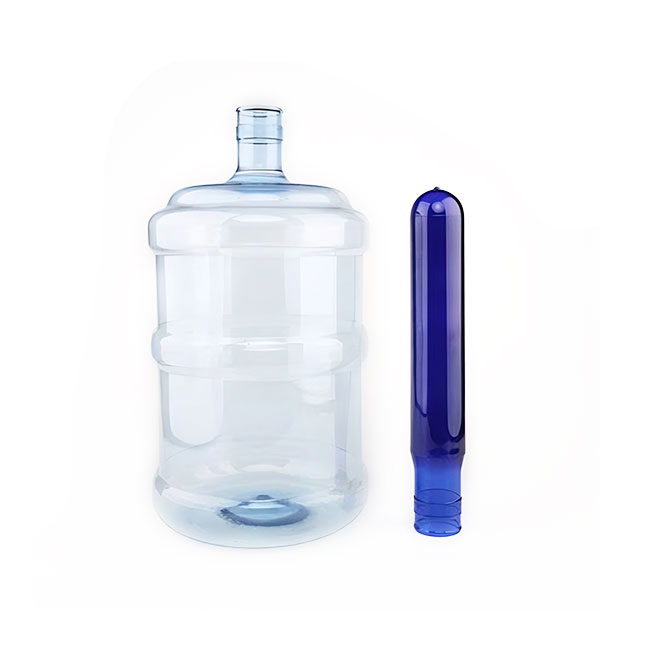 Preform molds are utilized across various industries, including beverage packaging, pharmaceuticals, cosmetics, and household chemicals. Each industry has specific requirements regarding preform design, material properties, and regulatory compliance. For instance, the pharmaceutical industry demands strict adherence to cleanliness and material safety standards.
In the beverage industry, preform molds are essential for producing bottles used for water, carbonated drinks, and juices. These molds must ensure that the preforms can withstand internal pressures and provide a barrier against gas permeation to maintain product freshness. Advances in mold design have enabled the production of lightweight bottles without compromising strength.
The cosmetics industry requires preform molds capable of producing aesthetically pleasing containers with complex shapes and clear finishes. Mold surface quality and precision are paramount to achieve the desired appearance and functionality. Additionally, the molds must be adaptable to produce a variety of sizes and designs to meet market demands.
Technological advancements have led to significant improvements in preform mold design and manufacturing. Automation, simulation software, and new materials are among the innovations enhancing mold performance and production efficiency. These developments enable manufacturers to meet the increasing demand for high-quality plastic containers while reducing costs.
The integration of automation in preform molding processes has increased throughput and consistency. Robotics and automated handling systems reduce human error and allow for continuous operation. Smart sensors and monitoring systems provide real-time data on mold performance, enabling predictive maintenance and reducing downtime.
New materials, such as advanced polymers and composites, are being used to improve mold performance. These materials offer better thermal properties, strength, and resistance to wear. Additionally, the development of bioplastics and recyclable materials for preforms aligns with environmental sustainability goals, prompting the need for molds compatible with these new materials.
Preform molds are a cornerstone of the plastic manufacturing industry, enabling the production of a vast array of containers used daily worldwide. Advances in mold design, materials, and manufacturing processes continue to drive improvements in efficiency and product quality. Manufacturers seeking to remain competitive must stay abreast of these developments and invest in high-quality molds. For those interested in exploring advanced solutions in preform molding, understanding the role and capabilities of the Preform Mold is essential to achieving operational excellence.


