
Views: 0 Author: Site Editor Publish Time: 2026-08-19 Origin: Site


In high-cavity PET preform production, the stakes run incredibly high. You cannot afford microscopic wear on a preform mold gate insert. Even minor degradation leads to compounding scrap rates. It quickly causes costly machine downtime. Gate insert wear is not merely a maintenance nuisance. It acts as a critical variable impacting your preform quality. Worn inserts directly trigger gate stringing, localized crystallinity, and off-center gates. They ultimately drag down your overall equipment effectiveness (OEE). We need to move beyond temporary troubleshooting. This article diagnoses the root mechanical and thermal causes behind insert degradation. You will learn how to evaluate viable material upgrades effectively. We will also define strict criteria for sourcing robust replacement components.
Premature gate insert wear is primarily driven by valve pin misalignment, thermal fatigue, and abrasive shear stress during injection.
Leveraging PET preform moldflow analysis during the design phase isolates high-stress zones and prevents localized degradation.
Upgrading to high-thermal-conductivity materials (like Beryllium Copper) mitigates wear, but requires precise valve pin timing calibration to realize ROI.
Evaluating replacement preform mold accessories requires looking past unit cost to dimensional tolerances, material certifications, and verifiable lifespan claims.
Ignoring gate insert wear directly drains your manufacturing profitability. The degradation might start as a microscopic scratch. However, it quickly escalates into a systemic production roadblock. You must understand how this wear translates into hard financial losses.
Gate wear severely compromises your machine performance. Worn inserts struggle to cut off the molten plastic stream cleanly. Operators usually compensate by extending cooling times. This manual adjustment directly increases overall cycle times. Slower cycles mean fewer preforms produced per shift. Furthermore, worn gates cause higher scrap rates. Defective preforms must be discarded or reground. You also face frequent, unplanned maintenance stops. Pulling the mold to replace a failed insert pauses production for hours. These interruptions crush your daily yield targets.
Degraded gate inserts leave clear physical evidence on your products. They connect directly to three expensive preform defects.
Gate Stringing: A worn insert loses its clean shut-off capabilities. Molten PET drags out during mold opening. This creates a long plastic string. It interferes with robotic handlers and downline packaging.
Crystallization: Proper thermal management requires tight metal-to-metal contact. Wear creates gaps. These gaps disrupt cooling at the injection point. The PET cools too slowly, causing opaque, brittle crystallization.
Off-Center Gates: Asymmetrical insert wear throws off the melt flow balance. The unequal pressure shifts the core pin. This results in inconsistent wall thickness. Your bottles will blow unevenly during the stretch blow molding phase.
You need to define what a successful intervention looks like. Swapping a part blindly is not a strategy. A true solution restores your original cycle times immediately. It should achieve a minimum millions-of-cycles threshold before requiring the next replacement. The fix must also stabilize thermal transfer at the gate. Consistent gate temperatures eliminate random crystallization spikes. Measuring these criteria ensures your maintenance efforts actually improve production stability.
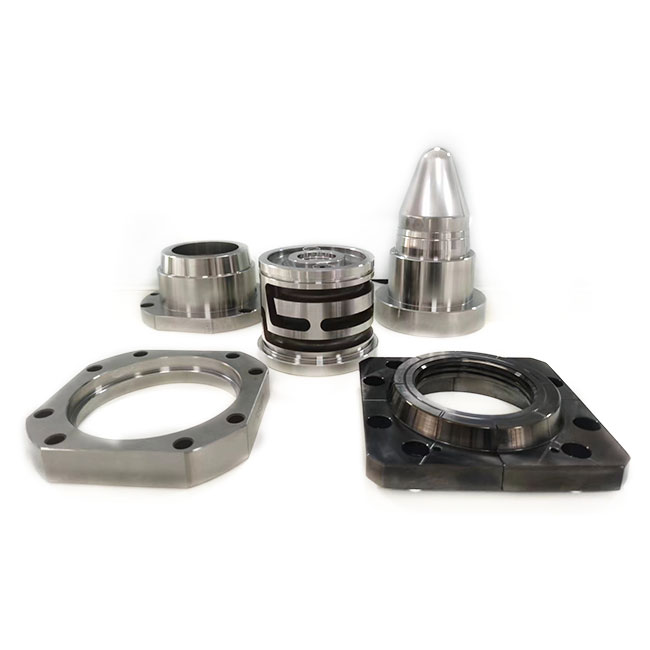
You cannot prevent degradation without understanding its root causes. Gate inserts operate in a brutal environment. They face constant mechanical pounding and extreme temperature swings. We must isolate these destructive forces.
Improper valve pin guidance destroys gate inserts quickly. The valve pin must strike the center of the orifice perfectly. Misalignment causes repetitive metal-on-metal impact. The hardened steel pin scrapes the softer insert walls. This friction rapidly erodes the gate geometry. Timing issues also cause severe damage. If the pin closes before the holding pressure drops, it forces itself through highly dense material. This creates massive mechanical stress. You must ensure absolute precision in your hot runner actuation system.
Extreme temperature differentials exist constantly at the gate. The hot runner nozzle introduces PET at nearly 280°C. The adjacent cooling channels circulate water at 10°C. This massive delta causes aggressive thermal expansion and contraction. Inadequate cooling channels exacerbate the problem. The metal cannot dissipate heat fast enough. This thermal cycling leads to microscopic fatigue cracking. Over time, the material simply flakes away. Heat stress fundamentally weakens the metallurgical structure of the insert.
PET resin possesses inherent abrasive qualities. High injection pressures push this material through a tiny gate orifice. High velocities create immense shear stress. This acts like sandpaper against the insert walls. The problem worsens if cycle parameters are pushed beyond original mold specifications. Operators sometimes increase injection speeds to shorten fill times. This aggressive profiling accelerates abrasive wear exponentially. Using recycled PET (rPET) introduces further risks. Recycled flakes often contain microscopic impurities. These rigid particles gouge the gate insert during every single shot.
Table 1: Common Gate Insert Wear Symptoms and Root Causes
Visible Symptom on Preform | Probable Root Cause | Recommended Corrective Action |
|---|---|---|
Long gate strings/drool | Valve pin misalignment or worn orifice | Check pneumatic timing; measure insert diameter |
Opaque white gate (Crystallization) | Thermal fatigue blocking heat transfer | Inspect cooling channels for scale buildup |
Uneven wall thickness | Asymmetrical resin abrasion | Verify melt pressure and injection velocity |
Relying on trial and error wastes capital. Modern molding requires predictive engineering. By simulating the injection process, you can eliminate destructive forces before cutting any steel. Scientific analysis maps the exact stressors your mold will face.
Predictive software fundamentally changes how we design tooling. PET preform moldflow analysis maps critical variables before physical trials begin. It visualizes shear rates, pressure drops, and temperature gradients across the entire cavity.
This software plays a massive role in optimizing gate sizing. You must balance cavity fill time against material shear. If the gate is too small, shear stress skyrockets. This causes immediate abrasive wear. If the gate is too large, the pin cannot seal it properly. Moldflow data identifies the exact dimensions needed to minimize friction. It isolates high-stress zones proactively. Designers can then thicken specific cavity walls or adjust cooling line proximity. This prevents localized degradation entirely.
Many engineers overlook the impact of trapped air. As molten PET rushes into the cavity, it displaces atmospheric gas. If this gas cannot escape, it compresses violently. This leads to the diesel effect near the gate area. The trapped gas auto-ignites due to immense pressure.
This micro-explosion causes severe burn marks on the preform. It also pits and corrodes the metal gate insert. PET preform mold venting solves this destructive phenomenon. Proper venting allows gases to escape safely. We must position proper venting as a structural requirement, not an afterthought. Effective exhaust channels drastically extend the lifespan of the gate insert. They protect the metal from chemical corrosion and heat spikes.
When standard inserts fail, you must upgrade your approach. Simply replacing a worn part with an identical new one guarantees future failure. You need better materials and smarter design adjustments to survive aggressive production cycles.
Standard hardened steel offers durability, but it lacks thermal efficiency. Advanced alloys provide better performance, though they come with distinct trade-offs. You must evaluate these options carefully.
Standard Hardened Steel (H13 or similar): This material resists abrasive wear exceptionally well. It handles valve pin impact without deforming. However, its thermal conductivity is relatively poor. It struggles to pull heat away from the gate quickly enough.
Beryllium Copper (BeCu): This advanced alloy excels at thermal management. It offers vastly faster cooling rates than steel. This provides excellent crystallinity control at the injection point. However, BeCu is inherently softer. It requires specific hardness treatments or surface coatings (like Titanium Nitride) to withstand repetitive valve pin impact.
Tungsten Carbide Inserts: Some high-performance applications utilize carbide. It offers extreme wear resistance against abrasive rPET. Yet, it is highly brittle. Any slight valve pin misalignment will shatter a carbide insert instantly.
Your upgraded materials will fail if your mechanical timing is flawed. New inserts require precise pneumatic or hydraulic valve pin actuation. If the hot runner controller is out of sync, the pin slams into the gate incorrectly. Early closing creates pressure spikes. Late closing causes drool and sticky gates. You must calibrate the actuation sequence down to the millisecond. Synchronizing the pin movement with the holding pressure curve protects the new insert.
We strongly warn against "drop-in" fixes. Tooling upgrades are rarely plug-and-play. Replacing a gate insert without recalibrating the surrounding systems invites disaster. You must re-calibrate the hot runner controller. You also need to verify cooling flow rates. If the new Beryllium Copper insert transfers heat faster, your chiller must handle the increased thermal load. Failing to audit these dependent systems will result in repeated, frustrating failures.
Buying replacement parts requires a strict vetting process. The cheapest quote usually hides inferior machining. You must evaluate vendors based on verifiable engineering capabilities. Sourcing reliable preform mold accessories demands critical thinking.
Not all machine shops can produce high-cavity mold components. You must audit their specific capabilities before issuing a purchase order.
Precision & Tolerances: Gate inserts require exact machining capabilities. The seal between the valve pin and the gate orifice must be perfect. Even a five-micron deviation causes leakage. Ask vendors for their Coordinate Measuring Machine (CMM) reports. Verify their historical tolerance accuracy.
Material Transparency: Counterfeit metals plague the tooling industry. You must demand official metallurgical certifications. Ensure the integrity of the copper alloys or hardened steels you purchase. A fake BeCu alloy will fail thermally and mechanically within weeks.
Surface Treatment Expertise: The vendor must demonstrate mastery over coatings. Proper application of Diamond-Like Carbon (DLC) or TiN coatings prevents premature abrasion. Ask about their coating adhesion testing protocols.
Adopt a skeptical approach to vendor lifespan claims. Many suppliers promise millions of cycles without proof. Look for documented case studies. Demand actual cycle-count data from active production environments. Review their warranty terms closely. A confident manufacturer stands behind their tooling with clear replacement guarantees. If a vendor refuses to provide performance references, walk away immediately.
Do not order parts blindly. We recommend auditing your current mold wear patterns first. Document the specific cavities failing most frequently. Measure the exact wear dimensions on your scrapped inserts. Compile this diagnostic data carefully. Use it to issue a highly detailed Request for Proposal (RFP). Providing vendors with concrete failure data ensures they quote the correct material and tolerance upgrades.
Preform mold gate insert wear acts as a systemic disease in your production line. It requires a comprehensive approach to cure. You must balance correct material selection with precise thermal management. Strict maintenance protocols and accurate valve pin timing remain non-negotiable. Temporary fixes only mask the deeper mechanical and thermal drivers destroying your tooling.
Decision-makers must look beyond initial part prices. Investing in engineered, high-tolerance mold accessories yields superior long-term operational efficiency. Continually replacing cheap, rapidly degrading parts drains your maintenance budget and ruins your OEE.
Take action today. Schedule a technical mold audit with your engineering team. Request a detailed moldflow analysis review for your most problematic cavities. Consult with a dedicated tooling specialist to source reliable, verified replacement components. Stopping gate wear begins with scientific diagnosis and uncompromising procurement.
A: A standard hardened steel gate insert typically lasts between 3 to 5 million cycles. However, this baseline varies wildly. Upgrading to coated Beryllium Copper can extend this lifespan while improving thermal efficiency. Poor maintenance practices, such as ignoring valve pin misalignment or using contaminated regrind, can destroy an insert in under a million cycles.
A: Yes. Gate stringing occurs when the physical shut-off seal is compromised. Worn insert walls prevent the valve pin from closing the orifice completely. This tiny gap allows pressurized, molten PET to drag outward during mold opening. It requires immediate intervention to prevent downline automation jams.
A: Retrospective moldflow analysis is highly valuable for existing molds. It diagnoses exactly why a specific cavity fails prematurely. The software simulates your current parameters to reveal hidden pressure spikes or thermal dead zones. This data guides targeted modifications, such as resizing the gate geometry or rerouting cooling lines during your next refurbishment.


