

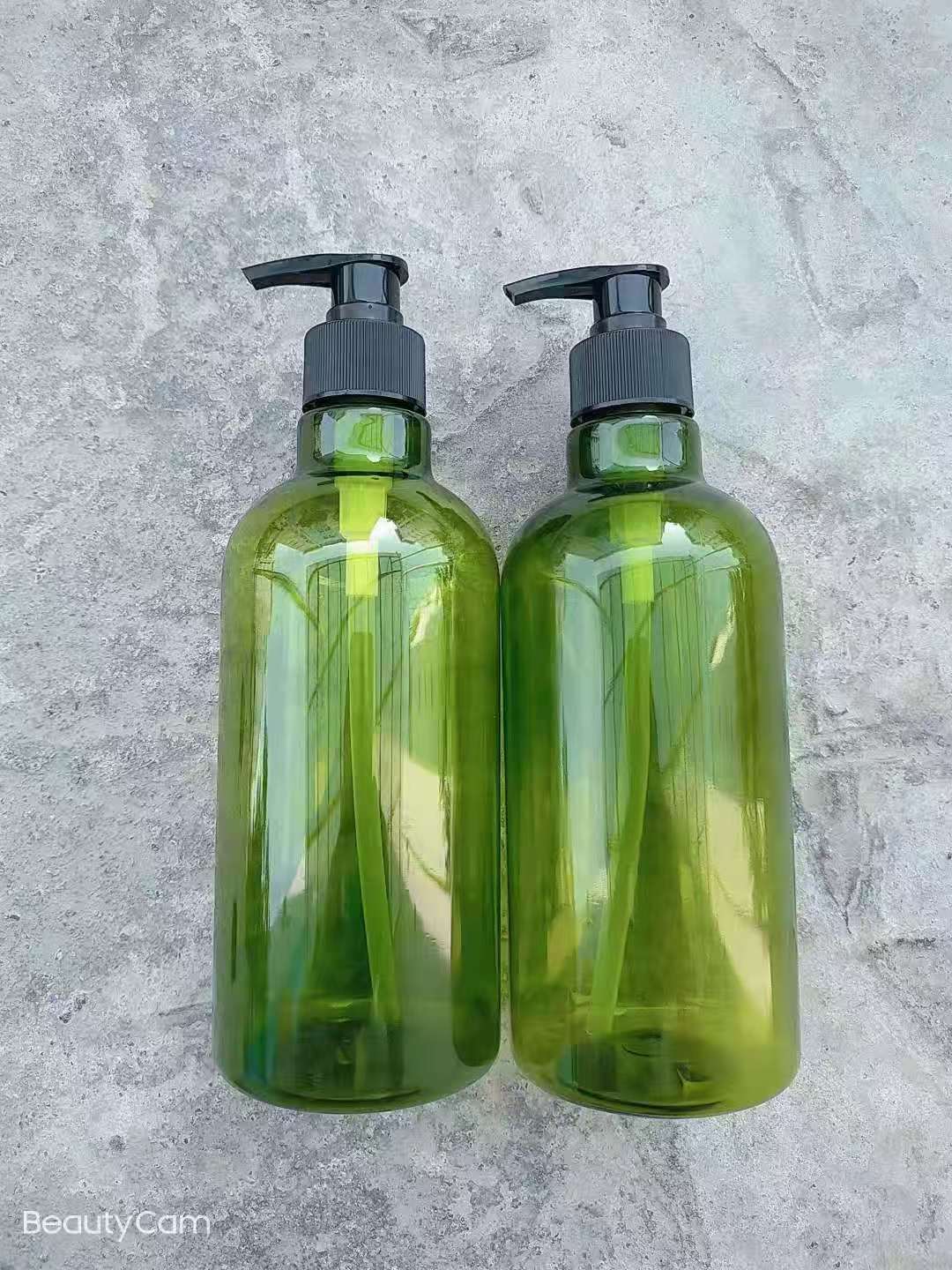

ShuangLi Industrial Chemical Bottle PET Preform Mold is developed for PET packaging projects used for selected industrial liquids, specialty chemicals and related liquid products.
Unlike standard beverage packaging, industrial chemical bottles often require additional attention to container compatibility, closure sealing, bottle strength, neck design, storage conditions and transport requirements.
ShuangLi develops custom preform molds according to the customer's actual bottle design, product application, preform specification and production equipment. The objective is to provide a precision mold suitable for producing consistent PET preforms for the intended chemical packaging project.
| Quantity: | |
|---|---|


Chemical packaging should not begin by assuming that one bottle material is suitable for every product.
Different formulations can interact differently with packaging materials. For this reason, the first step in developing an industrial chemical bottle preform mold is to understand what the final bottle will contain and how it will be used.
Important project information includes:
Type of liquid being packaged
Product concentration
Filling temperature
Storage temperature
Required shelf life
Bottle capacity
Closure type
Transport conditions
Final bottle shape
Target bottle weight
Required packaging tests
This information helps determine whether PET is appropriate for the application and what preform and bottle design should be evaluated.
PET offers useful properties for many packaging applications, but it should not be treated as a universal chemical-resistant material.
Its suitability depends on the actual formulation and use conditions.
Before commercial production, customers should evaluate the compatibility of the complete packaging system, including:
Bottle Material
Confirm that PET is suitable for the intended formulation and exposure conditions.
Closure Material
The cap material may behave differently from the PET bottle when exposed to the same chemical.
Seal or Liner
Some packaging systems require liners, gaskets or other sealing components that must also be compatible with the contents.
Storage Time
A package that performs well during short-term testing may behave differently after long-term storage.
Temperature
Higher storage or filling temperatures can change the interaction between the chemical and the packaging material.
Mechanical Stress
Transport, stacking and handling can add stress to the container during storage.
For new chemical packaging projects, ShuangLi recommends confirming material compatibility before the final preform mold specification is approved.
The preform must provide enough material in the correct areas for the final bottle to achieve its intended geometry and structural performance.
For industrial liquid packaging, the preform design may need to account for:
Bottle volume
Bottle height and diameter
Shoulder geometry
Base structure
Label area
Handle or grip design of the final bottle
Required bottle weight
Blow ratio
Wall thickness distribution
A compact laboratory chemical bottle and a larger industrial liquid container may therefore require very different preform specifications even when they use the same basic resin.
ShuangLi can develop the preform mold according to an existing preform drawing or evaluate the project using the customer's final bottle information.
For industrial chemical packaging, the bottle neck and closure system are especially important because leakage can create product loss, contamination and handling problems.
The preform neck finish can be developed according to:
Existing closure drawing
Cap sample
Bottle neck specification
Customer preform drawing
Existing packaging standard
Important neck-related factors can include:
The thread must match the selected closure so that the cap can be applied correctly.
The sealing area must be consistent so that the closure, liner or gasket can perform as intended.
The opening size should be selected according to filling and dispensing requirements.
The support ring may affect bottle handling and downstream production equipment.
Because the neck is formed during preform injection molding and remains a functional part of the finished bottle, accurate neck ring machining is important for chemical packaging applications.
Depending on confirmed material compatibility, PET packaging may be evaluated for selected industrial liquid applications such as:
Specialty cleaning liquids
Selected automotive fluids
Laboratory liquids
Water-based industrial products
Maintenance products
Selected agricultural liquid products
Specialty formulations
Other compatible industrial liquids
The actual product should always be evaluated rather than assuming that every chemical within a general category is suitable for PET packaging.
For aggressive acids, strong alkalis, oxidizing chemicals, solvents or other demanding formulations, customers should verify whether PET is the correct packaging material before proceeding with mold development.
Industrial bottles may experience different handling conditions from ordinary consumer beverage bottles.
They may be:
Packed in cartons
Stacked during warehousing
Transported over long distances
Used in workshops or industrial environments
Exposed to repeated handling
Stored for extended periods
For this reason, bottle weight and wall distribution should be considered together with the actual use conditions.
Adding more material alone does not automatically create a better package.
The preform should be designed so that the blow molding process can distribute material appropriately across important areas of the finished bottle, including:
Shoulder
Side wall
Corners
Base
Grip areas
Transition zones
The final structure should be verified through actual bottle testing.
A mold alone cannot guarantee a leak-proof chemical package.
Leak performance depends on the interaction between:
Preform → Blow-Molded Bottle → Neck Finish → Closure → Seal → Filling Process
For this reason, ShuangLi recommends evaluating the complete package when developing a new industrial chemical bottle.
Common factors that should be checked include:
Closure torque
Thread engagement
Neck dimensions
Sealing surface condition
Closure liner
Bottle deformation
Filling temperature
Storage orientation
Transport vibration
If customers already have a proven cap and bottle design, these existing specifications can be used as references during the preform mold project.
ShuangLi can customize the mold according to specific project requirements.
| Item | Customization |
|---|---|
| Product Type | Industrial Chemical Bottle PET Preform Mold |
| Preform Material | PET |
| Application | Compatible Industrial Liquid Packaging |
| Preform Weight | Customized |
| Preform Length | Customized |
| Preform Diameter | Customized |
| Neck Finish | According to Closure Specification |
| Thread Design | According to Drawing or Sample |
| Bottle Capacity | According to Project Requirement |
| Cavity Number | According to Production Requirement |
| Gate Design | Customized |
| Mold Dimensions | Matched to Injection Molding Machine |
| Core & Cavity | Precision Machined |
| Neck Ring | Customized |
| Mold Trial | Available Before Delivery |
The final mold specification should be confirmed only after the bottle, closure, application and production equipment information has been reviewed.
Customers who already produce an industrial chemical bottle may require a new preform mold for several reasons.
Examples include:
Replacing an older mold
Adding production capacity
Moving the product to another injection molding machine
Changing bottle weight
Updating the bottle design
Changing the cap or neck finish
Improving preform consistency
Localizing tooling supply
Developing another bottle size in the same product family
For these projects, the most useful information is the existing preform drawing and a sample of the current bottle and closure.
ShuangLi can review these references before preparing the mold solution.
For a completely new bottle project, customers may not yet have a finished preform drawing.
In this situation, please provide as much information as possible about the intended packaging.
Type of liquid
Product concentration
Filling conditions
Storage requirements
Target shelf life
Bottle capacity
Bottle drawing
Required bottle weight
Bottle dimensions
Preferred shape
Cap type
Closure drawing
Neck finish
Liner or gasket requirements
Existing closure sample
Injection molding machine
Blow molding machine
Required production capacity
Existing tooling information
This information allows the mold project to be developed around the actual packaging requirement rather than a generic preform specification.
For industrial chemical packaging, successful preform molding is only one part of project validation.
After the preforms are blow molded into bottles, the complete package should be evaluated under conditions that reflect actual use.
Depending on the application, customers may consider tests such as:
Chemical compatibility testing
Leakage testing
Closure fit testing
Drop testing
Storage testing
Transport simulation
Dimensional inspection
Bottle weight inspection
Wall thickness evaluation
The required tests depend on the product, market and packaging application.
Where regulated or hazardous products are involved, customers should also confirm the applicable packaging, transport and regulatory requirements in their target market.
Industrial packaging depends on consistent preform geometry.
ShuangLi specializes in the R&D and manufacturing of precision preform molds and uses CNC machining and inspection equipment during mold production.
Critical components include:
Core
Cavity
Neck ring
Gate components
Related mold stack components
Consistent machining of these parts helps maintain repeatable preform dimensions between production cycles.
For chemical packaging applications, particular attention should be given to the neck area because it directly influences closure fit and sealing performance.
Chemical packaging often needs additional protection, but simply making the preform unnecessarily heavy is not always the best solution.
An efficient packaging project should balance:
Required bottle strength
Chemical compatibility
Material usage
Blow molding performance
Transport conditions
Closure performance
Production cost
The appropriate preform weight should therefore be determined according to the final bottle and validated packaging performance rather than selected only by assuming that a heavier preform is safer.
ShuangLi focuses on the R&D and manufacturing of precision preform molds rather than finished chemical bottles.
Each mold can be developed according to the customer's bottle, preform, closure and production equipment.
CNC machining and inspection equipment are used during mold production to control critical mold components.
ShuangLi can work from existing preform drawings or evaluate new packaging projects based on bottle and production requirements.
ShuangLi preform mold products have been supplied to customers in more than 50 countries, supporting packaging manufacturers in different international markets.
No. PET is suitable for some products but not all chemicals. Compatibility depends on the specific chemical, concentration, temperature, storage time and other conditions. Testing should be completed before commercial production.
ShuangLi can develop the preform mold according to your packaging requirements, but chemical compatibility should be confirmed by the resin supplier, packaging testing laboratory or other qualified technical source using the actual formulation.
Yes. Existing bottle samples and drawings can be useful references. Providing the current preform, closure and injection molding machine information will make project evaluation more accurate.
Yes. Please provide the cap sample, closure drawing or neck specification. The preform neck ring can be developed according to the confirmed closure requirements.
In many packaging programs, several bottle sizes can share one neck finish and closure system. However, each bottle size may require a different preform weight or body geometry. The complete project should be evaluated before confirming the mold specification.
Please provide the preform drawing if available, bottle capacity, bottle drawing, closure specification, preform weight, required cavity number and injection molding machine information.
For a new project, information about the packaged liquid and application conditions is also helpful.
If you are developing a new industrial liquid package or replacing an existing chemical bottle preform mold, send ShuangLi your available project information.
Recommended information includes:
Preform drawing or sample
Final bottle drawing or sample
Bottle capacity
Closure drawing or cap sample
Intended liquid application
Target bottle or preform weight
Injection molding machine information
Required production capacity
ShuangLi can review the requirements and develop a customized Industrial Chemical Bottle PET Preform Mold according to your packaging and production project.


