Views: 0 Author: Site Editor Publish Time: 2026-07-06 Origin: Site
High-volume PET injection molding demands near-zero defect rates. Manufacturers constantly battle to shrink cycle times. Achieving both simultaneously remains a massive production challenge for modern packaging facilities. Traditional thermal or open gate systems frequently fall short here. They rely heavily on temperature cycling. This makes them highly prone to stringing, gate crystallinity, and cavity-to-cavity weight inconsistencies. These microscopic flaws eventually compromise blow-molding yields. They drain operational efficiency and increase scrap rates.
Fortunately, mechanical precision offers a proven, highly reliable solution. We will dive deeply into how upgrading to a valve gate preform mold directly transforms product quality. You will learn exactly why this technology secures long-term stability. It provides an unmatched advantage for competitive packaging manufacturers worldwide.
Thermal gates depend entirely on precise temperature control. They attempt to freeze the plastic exactly at the gate. This method frequently fails in high-speed environments. Operators often battle stringing and gate drool. Tiny strings of plastic stick to the preform base. They create micro-defects or pinholes. Such flaws easily compromise the final blow-molding phase. Defective bottoms often burst under high blow pressures. This causes catastrophic machine jams during the blowing stage.
Open gates also restrict the plastic melt flow significantly. This physical restriction heavily increases shear stress during injection. Excess stress severely risks PET material degradation. When PET degrades, Acetaldehyde (AA) generation spikes immediately. AA levels remain absolutely critical for water and beverage packaging. Even minor AA spikes ruin the liquid's intended taste profile. Consumers reject water bottles tasting like plastic. Additionally, shear stress causes visible cosmetic defects. Preforms often develop milky haziness instead of crystal clarity. Brands demand perfect transparency for premium products.
Inconsistent gating creates massive cavity-to-cavity weight variations. Micro-grams of excess PET might seem completely insignificant at first. However, frame this against millions of annual injection cycles. Minor variations translate into macro-level raw resin waste. Manufacturers bleed capital through invisible material losses. You simply cannot optimize production speeds under these volatile conditions. Reliable mechanical systems eliminate these physical vulnerabilities.
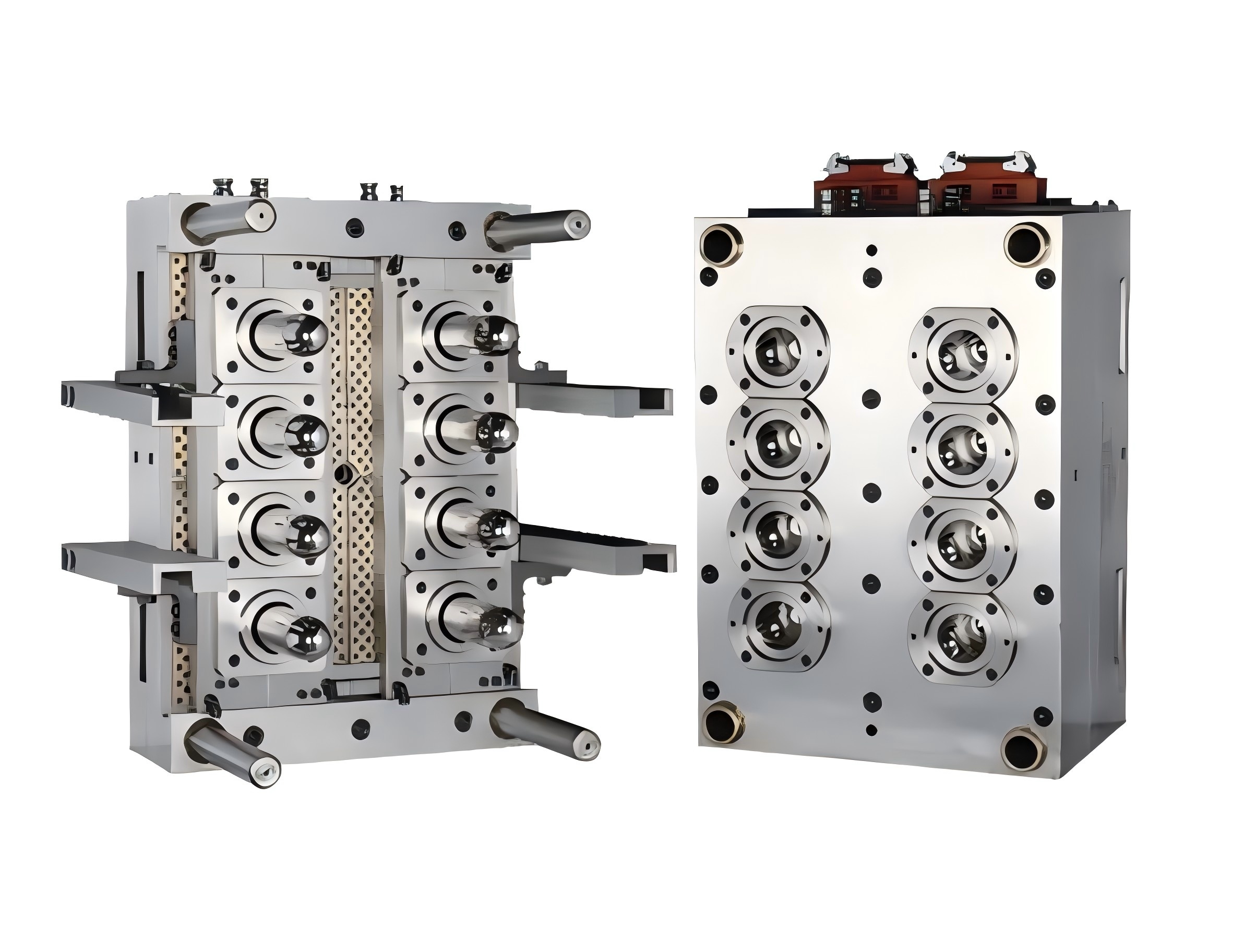
Understanding how a PET preform mold valve gate operates reveals its true value. Traditional systems try to freeze the gate thermally. Valve gating uses absolute mechanical action. A specialized steel valve pin physically closes the gate orifice. This creates a clean, completely flush injection point at the preform base. You no longer rely on inherently fluctuating thermal cycles. The mechanical stroke guarantees a perfectly flush seal every single time.
This mechanical approach vastly optimizes melt flow dynamics. Valve gates utilize noticeably wider orifices than standard thermal tips. A wider opening naturally lowers the required injection pressure. You experience a significantly reduced pressure drop across the entire hot runner system. Smooth pressure distribution ensures perfectly uniform cavity filling. Every individual preform fills at the exact same rate.
Robust cooling system integration makes this rapid process possible. Advanced gate cooling circuits surround the critical injection point. These specialized circuits rapidly extract heat immediately after the pin closes. Rapid freezing prevents annoying gate crystallinity from forming. The plastic solidifies cleanly without forming brittle, opaque white structures.
We tie these advanced mechanics directly to verifiable quality outcomes. Operators consistently measure these improvements through strict quality control metrics:
Scaling production introduces immense engineering complexity to the factory floor. Managing a 48, 72, 96, or 144-cavity setup requires absolute precision. A robust multi-cavity PET preform mold must deliver identical results across every single channel.
Engineers achieve this through strict thermal and rheological balancing. Valve gate hot runners feature perfectly symmetrical manifold designs. The plastic melt travels the exact same geometric distance to each cavity. It experiences the exact same residence time inside the hot runner. The melt also maintains a perfectly uniform temperature history throughout its journey. This intricate balance prevents premature resin degradation in the outer cavities.
Choosing the right actuation system remains intensely critical for long-term success. Buyers usually evaluate pneumatic, hydraulic, or servo-driven pins for their operations.
| Actuation Type | Primary Advantages | Best Application Scenarios |
|---|---|---|
| Pneumatic | Clean operation, easy operational maintenance, highly reliable. | Standard beverage and high-volume water preform production. |
| Hydraulic | High mechanical force, smooth movement, extreme durability. | Thick-walled or highly viscous PET molding applications. |
| Servo-Electric | Absolute precision, programmable pin speed profiling. | Advanced cleanroom environments or intricate specialty molds. |
Simultaneous opening and closing defines a high-performing hot runner system. Timing variations cause immediate preform weight discrepancies. This synchronous movement matters deeply when operating a high-cavity jar bottle preform mold. Large jar preforms demand immense material flow during injection. Even a split-second delay creates dangerous structural imbalances.
Risk mitigation also drives widespread valve gate adoption. Sometimes a single cavity fails unexpectedly during a massive production run. Traditional open gates force you to stop the entire machine for repairs. Valve gate controllers allow individual, targeted cavity shut-off. You simply disable the problematic pin via the control panel. Production continues completely uninterrupted while you plan targeted maintenance for later.
Standard water bottles represent just one facet of modern PET packaging. Specialized applications impose completely different demands on injection molds. Thick-walled containers present unique cooling and structural packing challenges.
An edible oil preform mold requires significantly heavier, thicker plastic profiles. Thick walls cool much slower than thin beverage bottles. The plastic shrinks aggressively as it slowly cools inside the mold. Valve gating provides vastly superior holding pressure capabilities for these heavy parts. The mechanical pin allows the machine to keep the gate open longer. The injection press packs more material into the cavity during the cooling phase. This prolonged, forceful packing prevents ugly sink marks and dangerous internal voids.
Wide-mouth and jar preforms also benefit heavily from reliable mechanical gating. Large-thread neck finishes drastically alter typical melt flow dynamics. The sheer volume of incoming plastic pushes incredibly hard against the core pin. Unbalanced plastic flow easily causes severe core shift. Core shift directly results in uneven wall thickness. Valve gating controls this massive flow beautifully. The wider orifice fills the large cavity completely symmetrically.
Recycled PET (rPET) usage continues to grow rapidly worldwide. Specialty rPET resins introduce violently fluctuating viscosities and minor particulate impurities. Thermal gates clog easily when processing volatile recycled materials. They struggle constantly to maintain consistent freezing temperatures. Valve gates handle these challenging variables much better. The mechanical pin forcefully clears the orifice during every single stroke. It pushes minor impurities right through without freezing or clogging the tip.
Transitioning to advanced mechanical gating requires highly practical operational awareness. These specialized systems deliver massive quality improvements, but they demand diligent upkeep.
Maintenance requirements differ significantly from basic open gate configurations. Valve pins undergo intense physical friction during millions of rapid actuation cycles. You must monitor pin wear closely during routine maintenance stops. Guide bushings also require periodic replacement to maintain precise pin alignment. Worn bushings eventually allow molten PET to leak backward into the actuation cylinders. Melt leakage causes catastrophic machine downtime and requires extremely extensive cleaning. Operators must maintain impeccably clean operational environments at all times. Airborne contamination quickly ruins sensitive pneumatic seals or hydraulic fluid lines.
A valve gate only performs as well as its supporting external hardware. Hot runner optimization remains an absolute necessity for consistent part quality. You need a highly responsive temperature controller to prevent manifold hot spots. The manifold design must physically eliminate dead corners where plastic might degrade. Proper heat distribution guarantees the pins move smoothly without seizing mid-stroke.
Selecting the right manufacturing partner mitigates most serious implementation risks. You should apply strictly defined vendor evaluation criteria before purchasing any system.
Properly maintained equipment easily runs flawlessly for multiple years. Neglected equipment fails quickly regardless of the initial factory build quality.
Upgrading to a mechanical valve gate system represents a major strategic shift. It moves your entire operation far beyond basic tooling changes. You effectively lock in unparalleled product consistency and massive material efficiency. Eliminating annoying gate vestige directly elevates your final blow-molding yields.
For high-cavity setups and specialized thick-walled applications, this technology transforms completely. It rapidly shifts from being an optional luxury to an absolute baseline requirement. You simply cannot achieve modern industry quality standards using outdated thermal gating methods.
Take proactive steps to evaluate your current injection molding infrastructure today. Request a comprehensive mold audit from a highly qualified tooling expert. Explore a custom tooling consultation to analyze your exact factory production needs. Protect your brand's product quality by fully embracing precision mechanical gating.
A: Retrofitting is technically possible but often highly impractical. It requires extensive machining of the existing mold plates to accommodate actuation cylinders, valve pins, and complex cooling circuits. Structural limitations in older mold bases often prevent safe modifications. We usually recommend purchasing a purpose-built system to guarantee proper alignment and structural integrity.
A: Pin lifespan depends entirely on the resin type and operating conditions. Under standard beverage production using virgin PET, high-quality steel pins typically last between 3 to 5 million cycles. Processing abrasive recycled PET (rPET) accelerates wear, potentially reducing lifespan. Regular inspection of the guide bushings drastically extends the operational life of the pins.
A: Yes, it significantly improves overall cycle efficiency. Thick-walled edible oil preforms require extended holding times to prevent sink marks. The mechanical shut-off allows the machine to apply maximum holding pressure directly into the cavity. Furthermore, advanced gate cooling circuits freeze the injection point much faster than traditional thermal methods.
A: Operators rely on several immediate checks right beside the machine. Visual inspection confirms the complete absence of gate vestige or stringing. Section weight analysis ensures cavity-to-cavity consistency down to the milligram. Finally, technicians use polariscope testing to detect internal shear stress and measure intrinsic viscosity (IV) drops caused by material degradation.